Quality 4.0:
The Complete Guide
Quality 4.0 is the convergence of traditional quality management with Industry 4.0 technologies. This hub brings together 12 expert guides covering every dimension — from AI-powered inspection and predictive analytics to digital twins, IoT, and implementation roadmaps.
What You Will Learn
Navigate through four pillars of Quality 4.0 expertise
Foundation & Strategy
Understand what Quality 4.0 is, assess where your organization stands, and build a phased implementation roadmap with clear ROI milestones.
AI & Analytics
Explore how artificial intelligence powers visual inspection, predictive defect prevention, and real-time statistical process control for zero-defect manufacturing.
Connected Infrastructure
Learn how IoT sensors, digital twins, and cloud-based QMS platforms create the connected infrastructure that enables every Quality 4.0 capability.
Ecosystem & Emerging Tech
Discover how Quality 4.0 extends beyond the factory — connecting supply chains, revolutionizing training with AR, and securing records with blockchain.
Foundation & Strategy
Understand what Quality 4.0 is, assess where your organization stands, and build a phased implementation roadmap with clear ROI milestones.
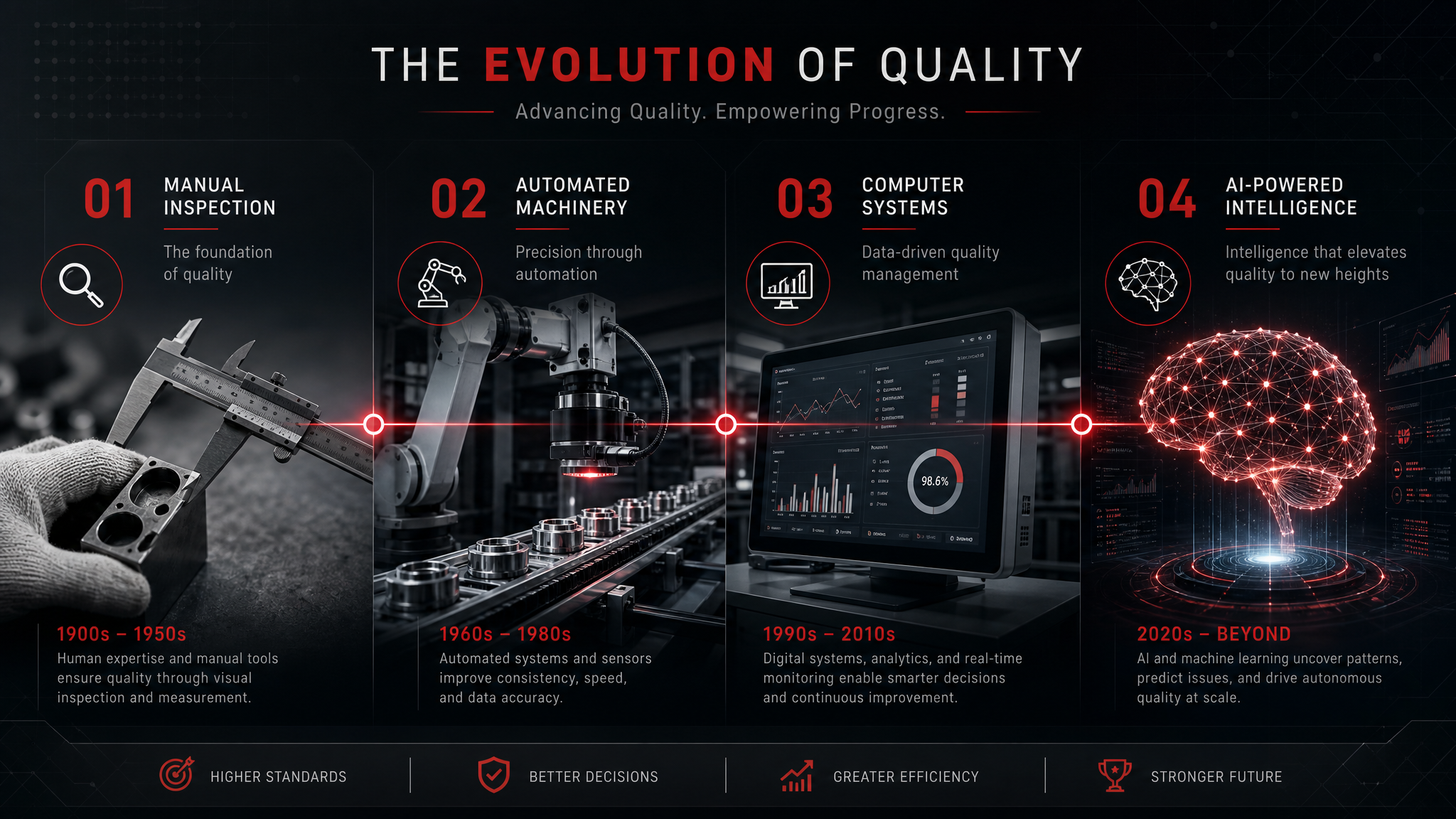
What Is Quality 4.0? Definition, Principles, and the Evolution from Quality 1.0 to 4.0
Quality 4.0 merges traditional quality disciplines with Industry 4.0 technologies. Learn the definition, core principles, and how quality management has evolved across four industrial revolutions.
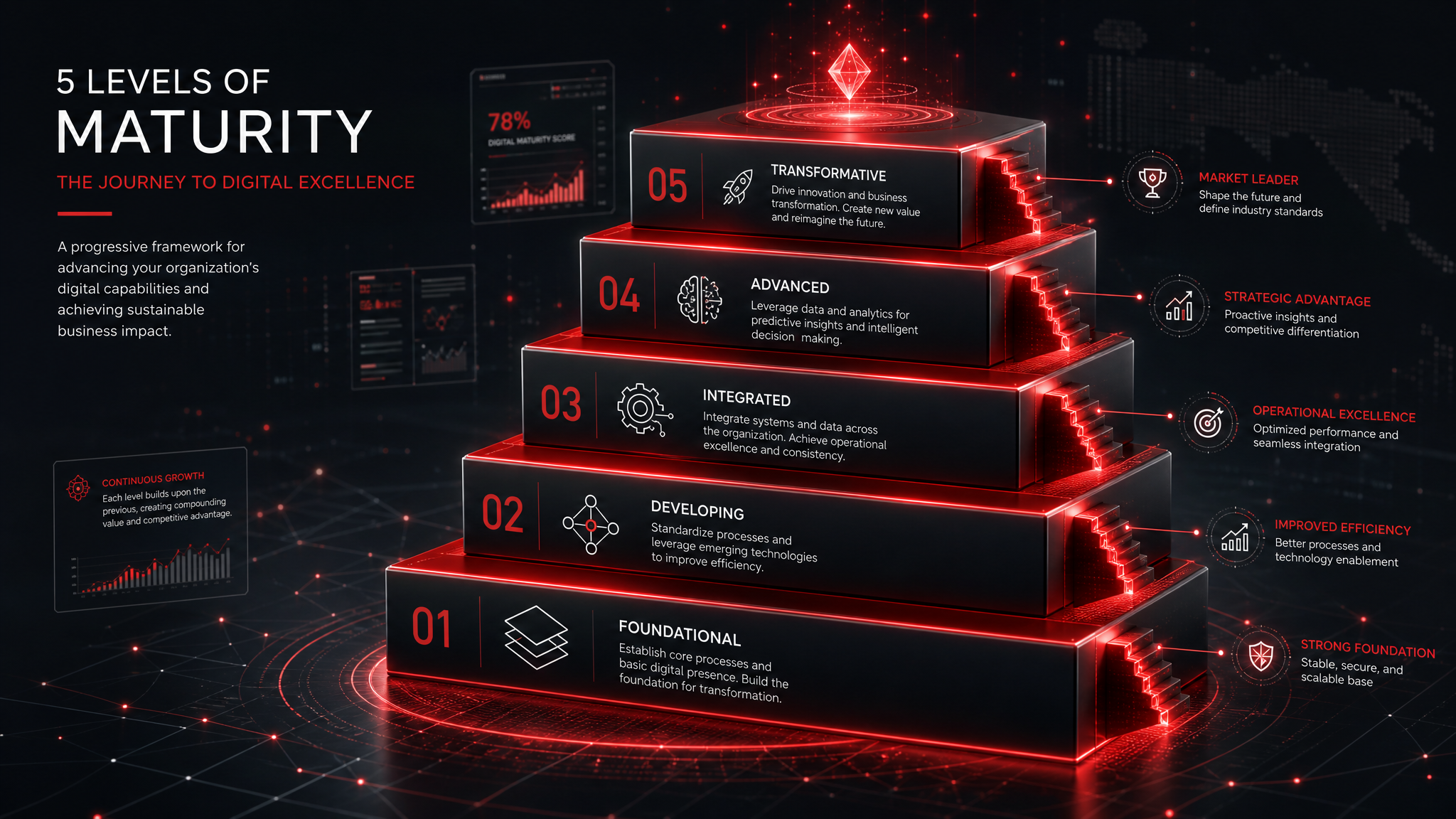
Quality 4.0 Maturity Model: Assessing Your Organization's Digital Quality Readiness
Use this five-level maturity model to evaluate where your quality operations stand on the Quality 4.0 spectrum — and build a practical plan to advance.
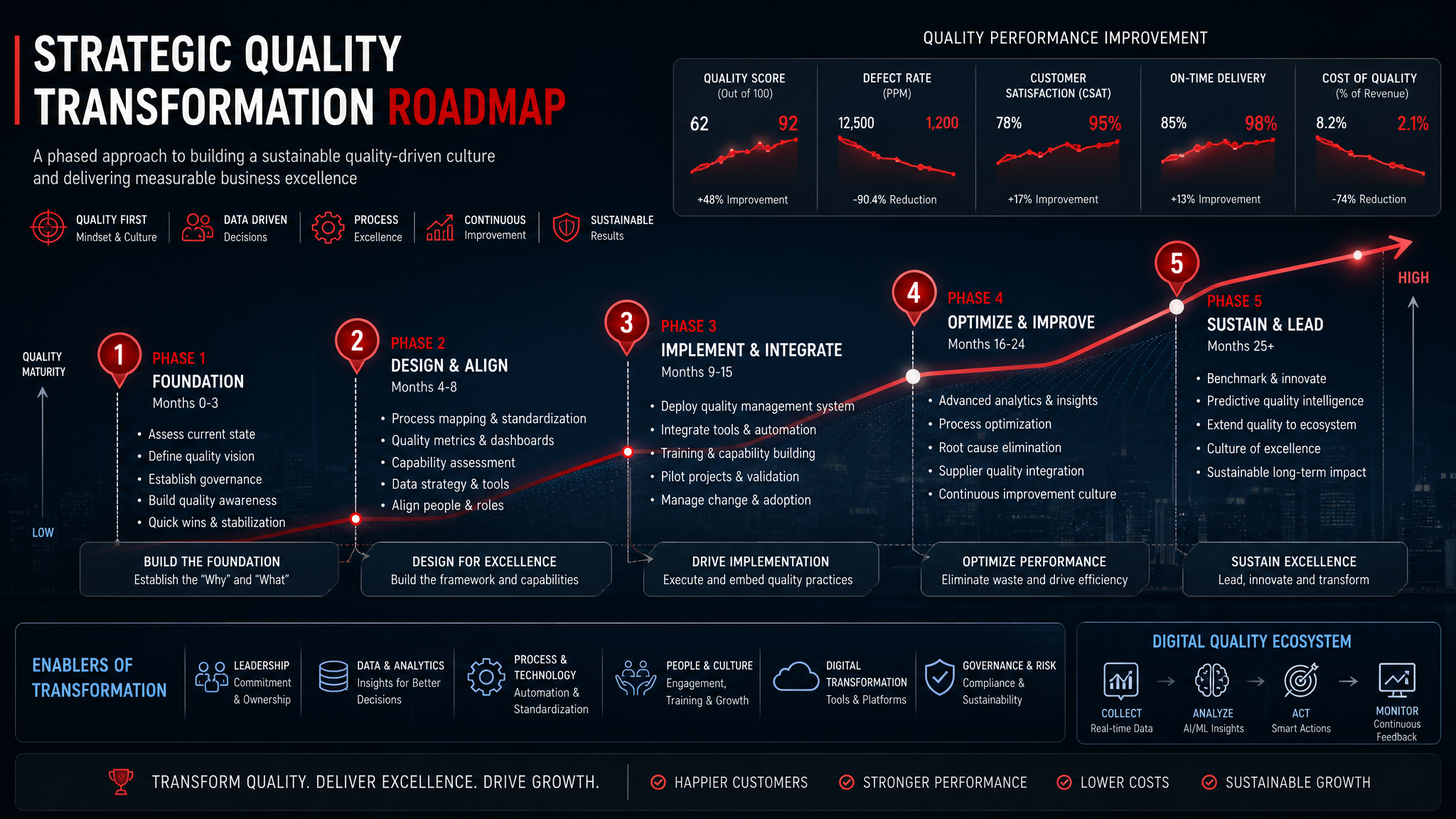
Building Your Quality 4.0 Roadmap: A Step-by-Step Implementation Framework
A practical, phased implementation framework for Quality 4.0 — from assessing your starting point to achieving predictive quality operations within 24 months.
AI & Analytics
Explore how artificial intelligence powers visual inspection, predictive defect prevention, and real-time statistical process control for zero-defect manufacturing.
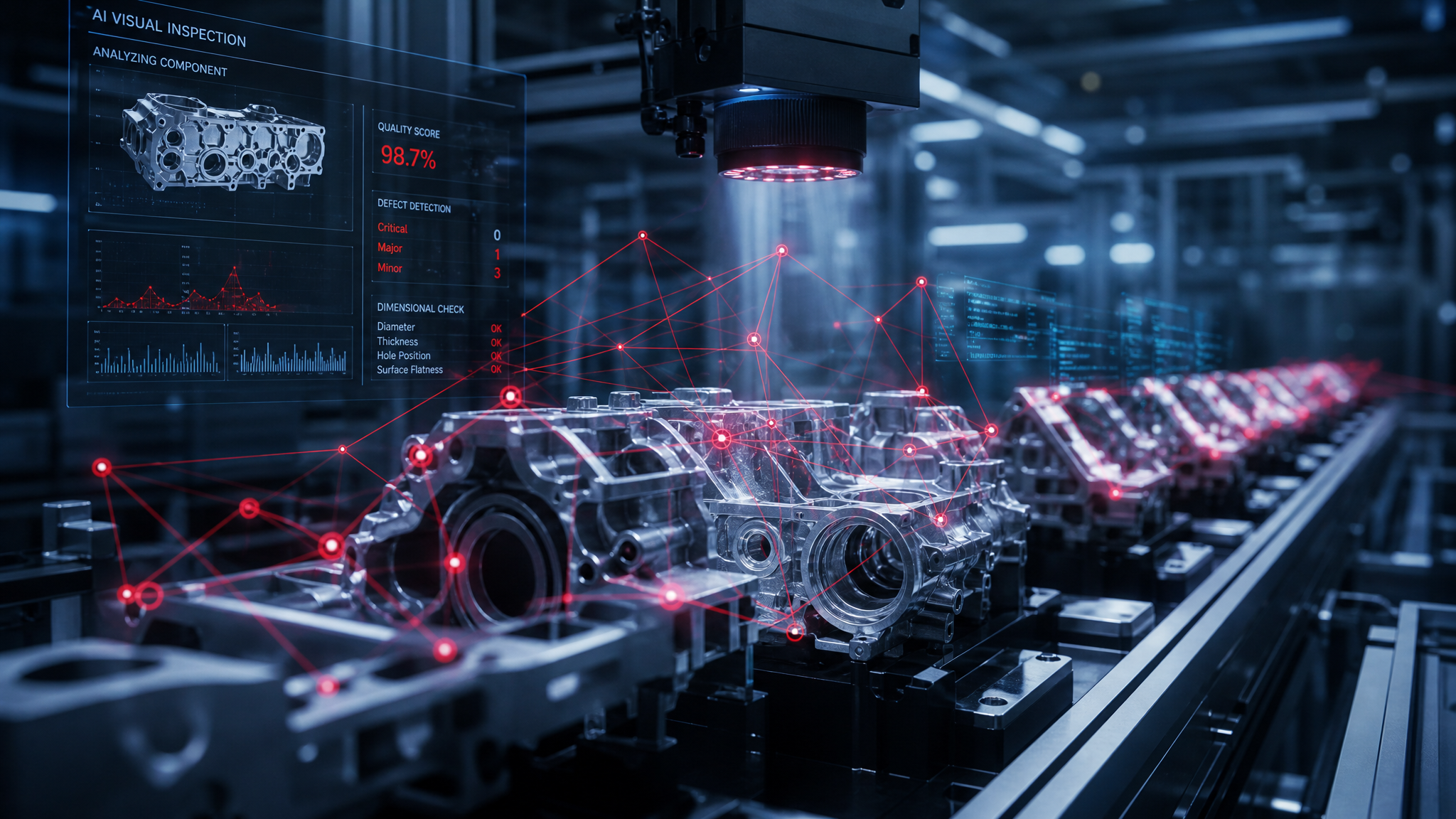
AI-Powered Quality Inspection: Computer Vision and Machine Learning on the Shop Floor
Discover how manufacturers are using computer vision and machine learning to automate visual inspection — achieving higher accuracy, faster throughput, and 24/7 consistency.
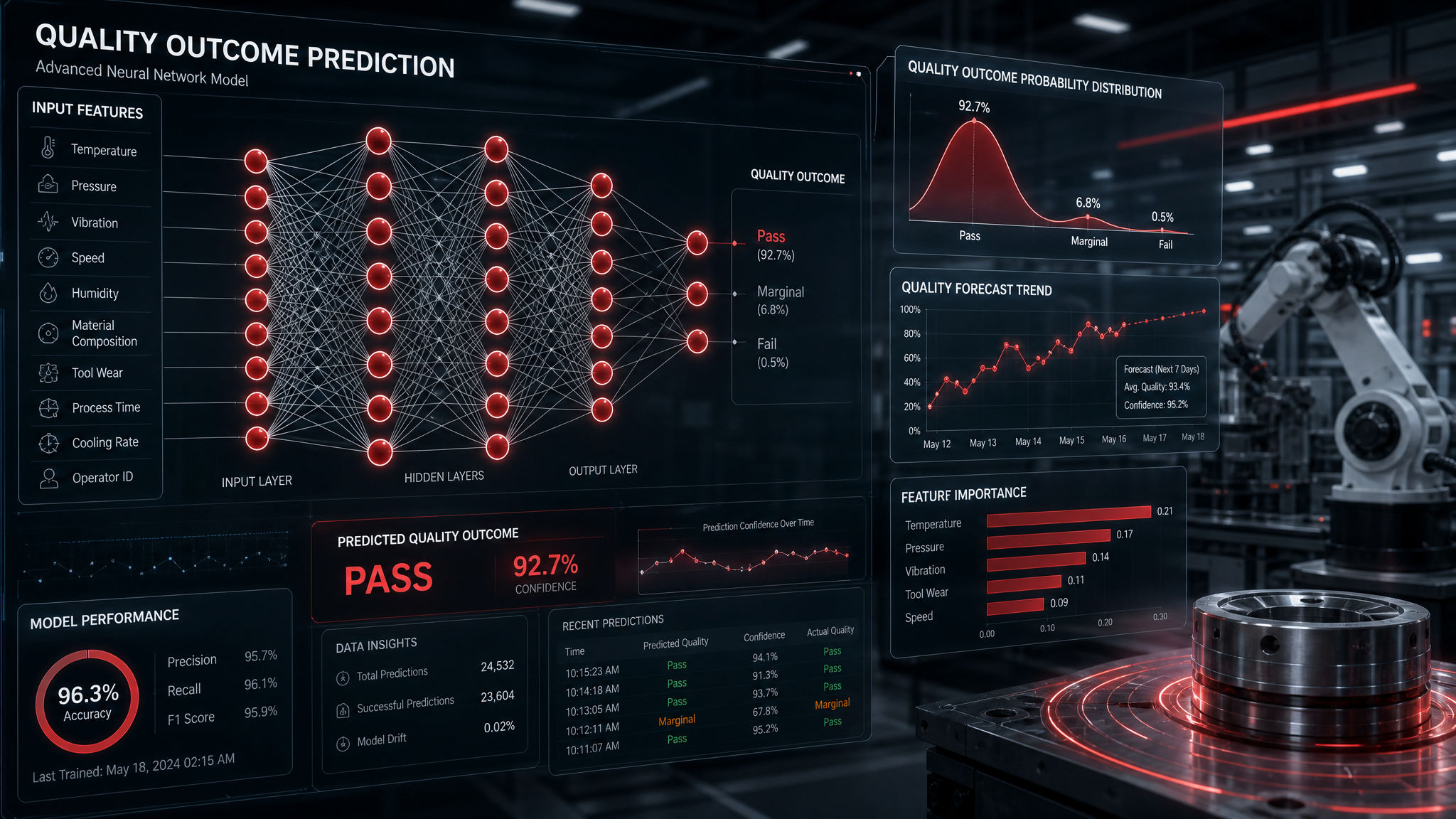
Predictive Quality Analytics: Using Machine Learning to Prevent Defects Before They Occur
Move beyond reactive quality management with predictive analytics. Learn how ML models trained on historical data forecast quality outcomes and enable preventive action.
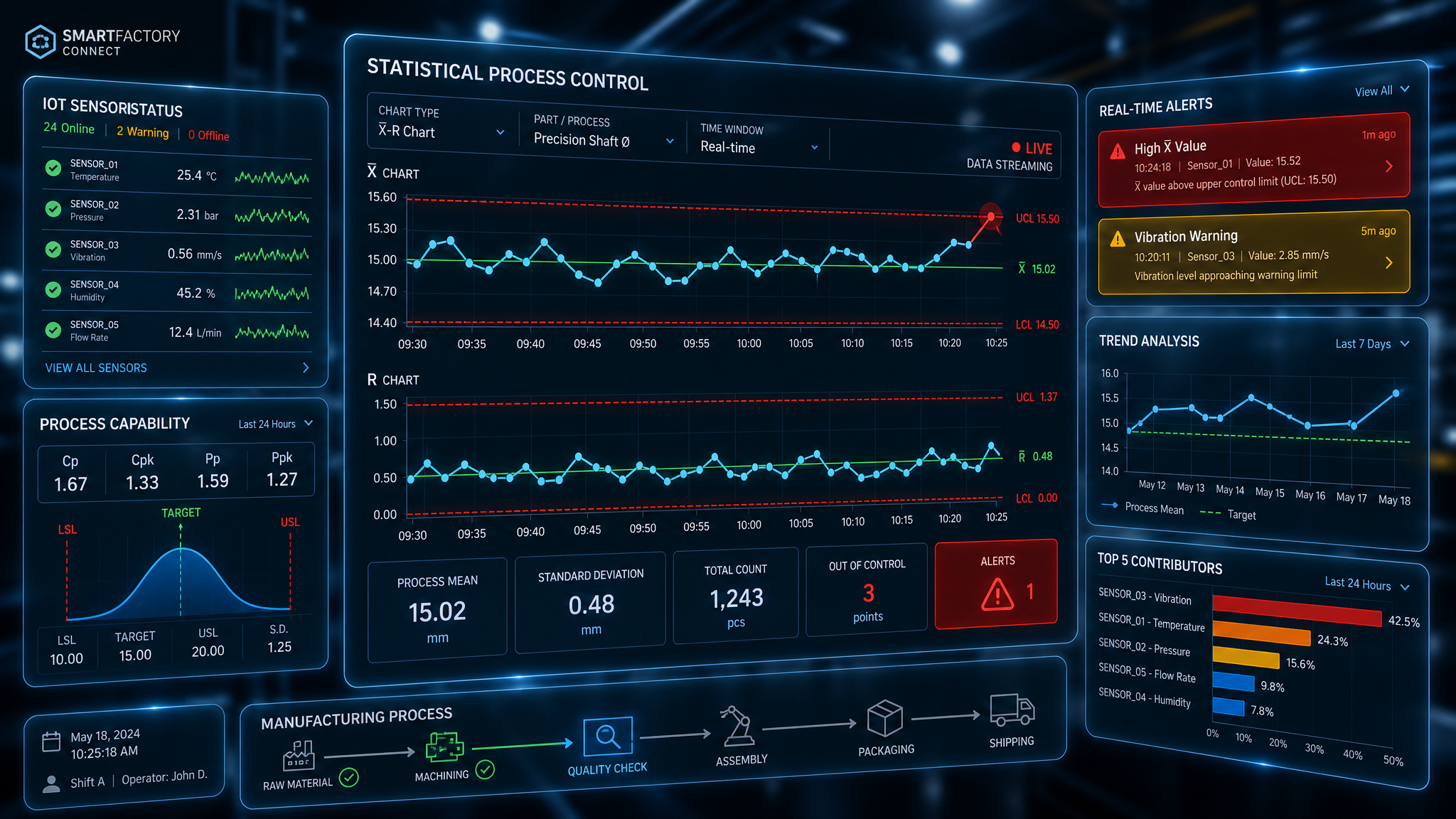
Real-Time SPC in the Age of Quality 4.0: From Manual Charts to Automated Process Control
Learn how Quality 4.0 transforms Statistical Process Control from periodic, manual charting into continuous, AI-enhanced monitoring that detects process drift before defects occur.
Connected Infrastructure
Learn how IoT sensors, digital twins, and cloud-based QMS platforms create the connected infrastructure that enables every Quality 4.0 capability.
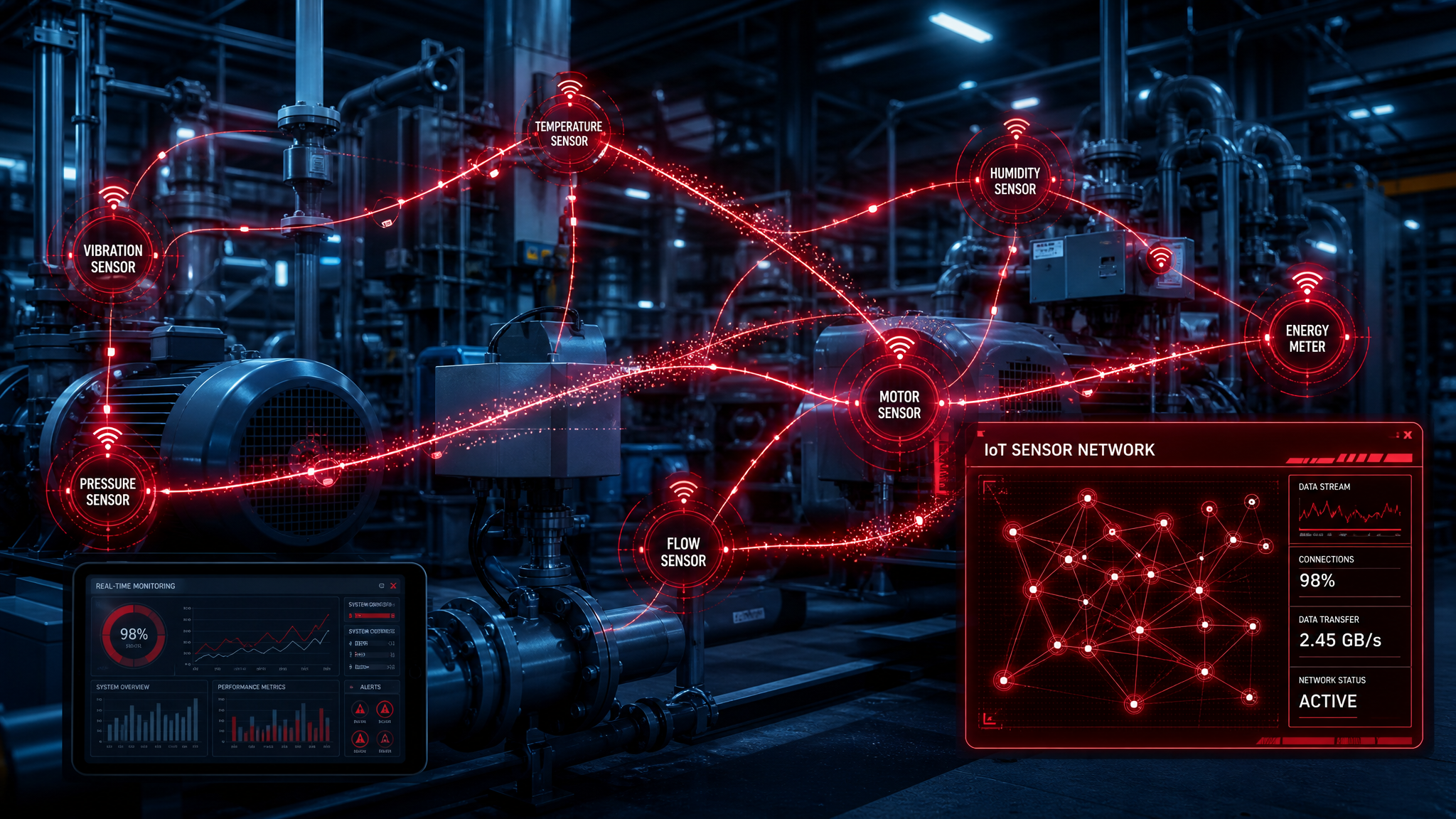
IoT-Enabled Quality: How Connected Sensors Transform Manufacturing Quality
Learn how Internet of Things (IoT) sensor networks provide the real-time data foundation that powers every Quality 4.0 capability — from SPC to predictive analytics.
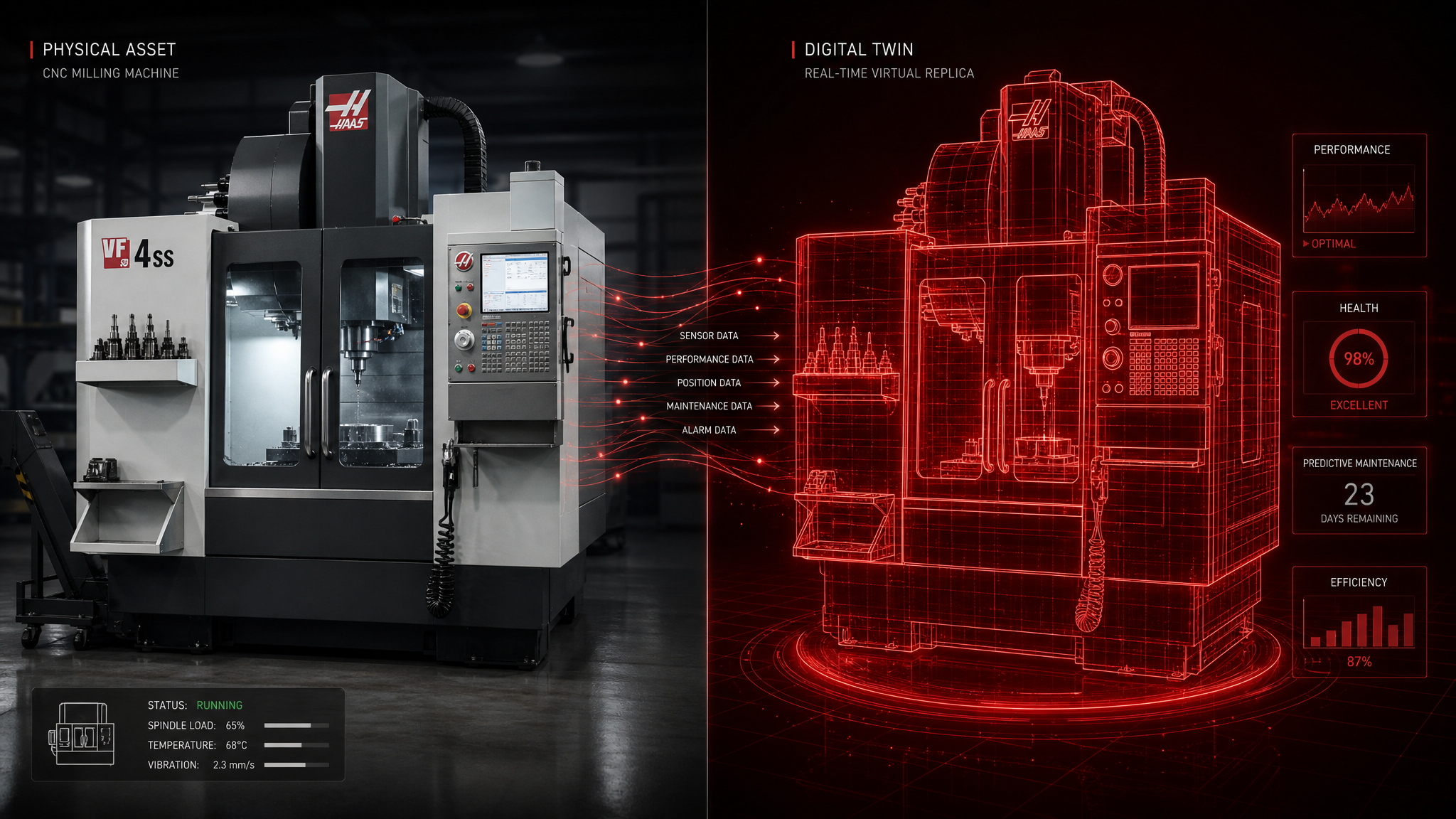
Digital Twins for Quality Management: Simulating Processes Before They Fail
Explore how digital twin technology allows manufacturers to simulate, predict, and optimize quality outcomes in a virtual environment before making changes on the shop floor.
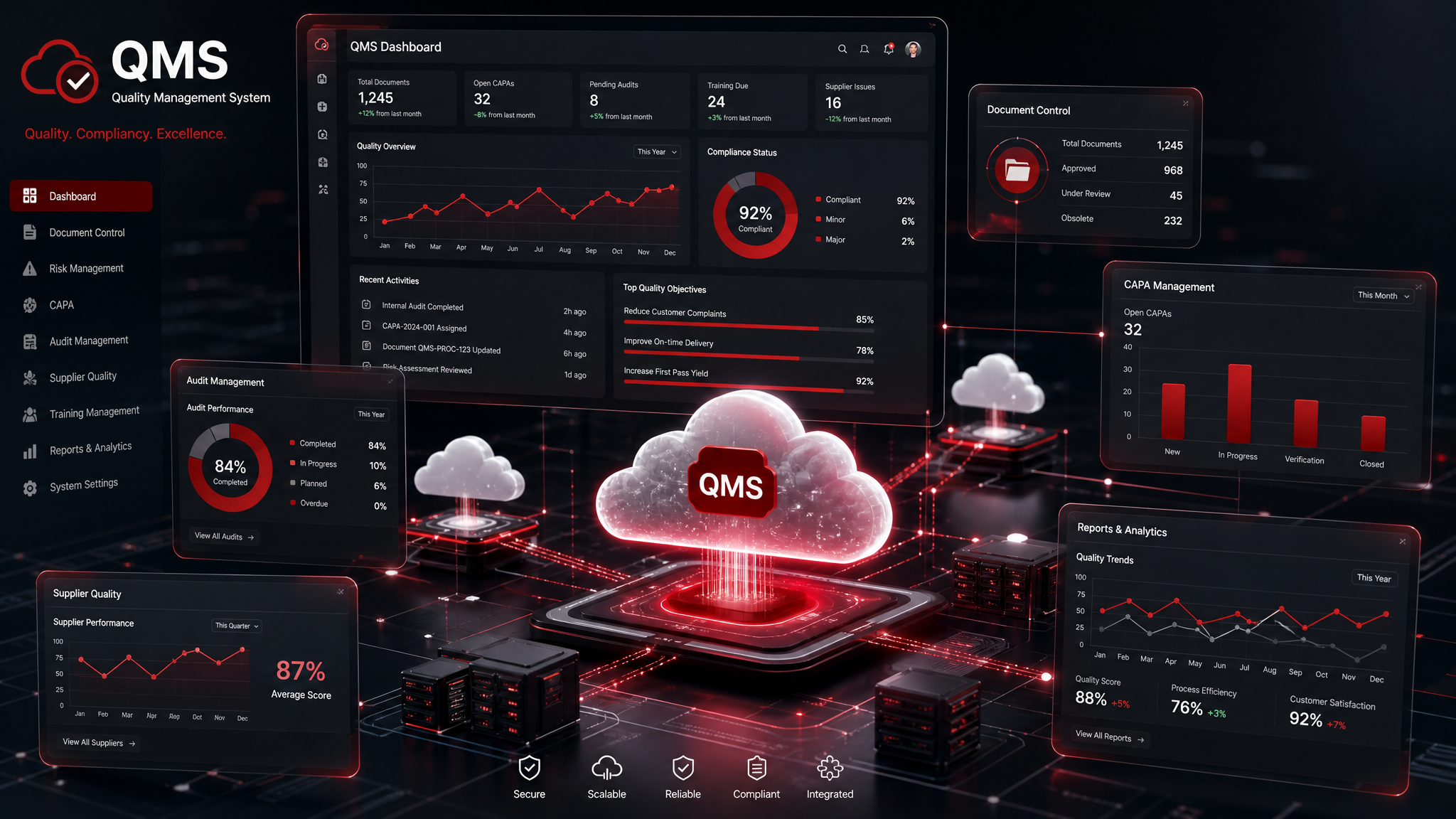
Cloud-Based QMS: Why Quality 4.0 Demands Modern Quality Management Software
Discover why cloud-based quality management systems are essential for Quality 4.0 — enabling real-time collaboration, scalable analytics, and seamless multi-site standardization.
Ecosystem & Emerging Tech
Discover how Quality 4.0 extends beyond the factory — connecting supply chains, revolutionizing training with AR, and securing records with blockchain.

Quality 4.0 and the Connected Supply Chain: Real-Time Supplier Quality Visibility
Learn how Quality 4.0 technologies enable real-time supplier quality monitoring, automated compliance verification, and predictive supply chain risk management.
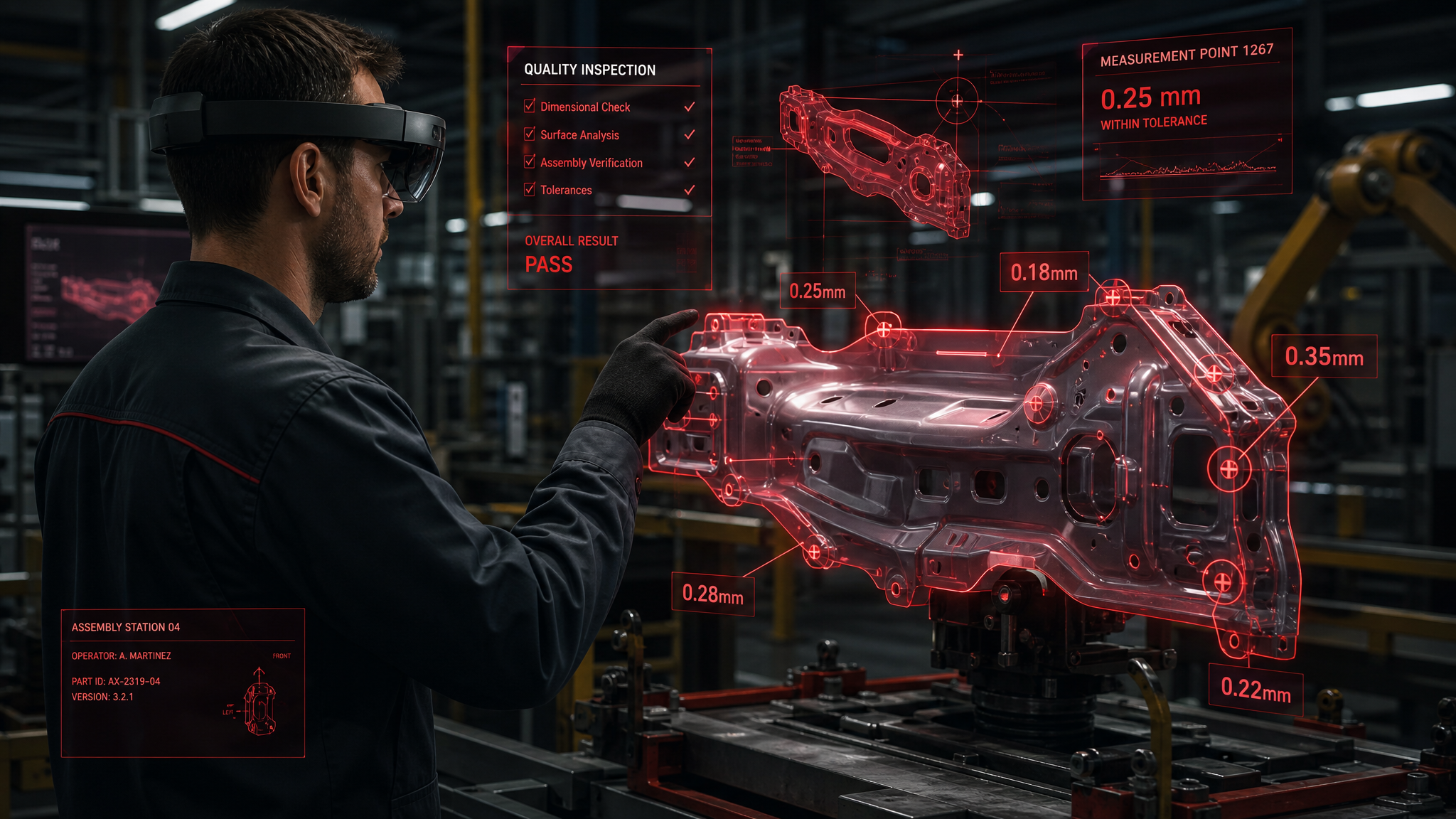
Augmented Reality for Quality Training and Inspection: The Future of Workforce Development
Discover how augmented reality (AR) accelerates quality training, reduces inspection errors, and provides real-time work instructions on the shop floor.
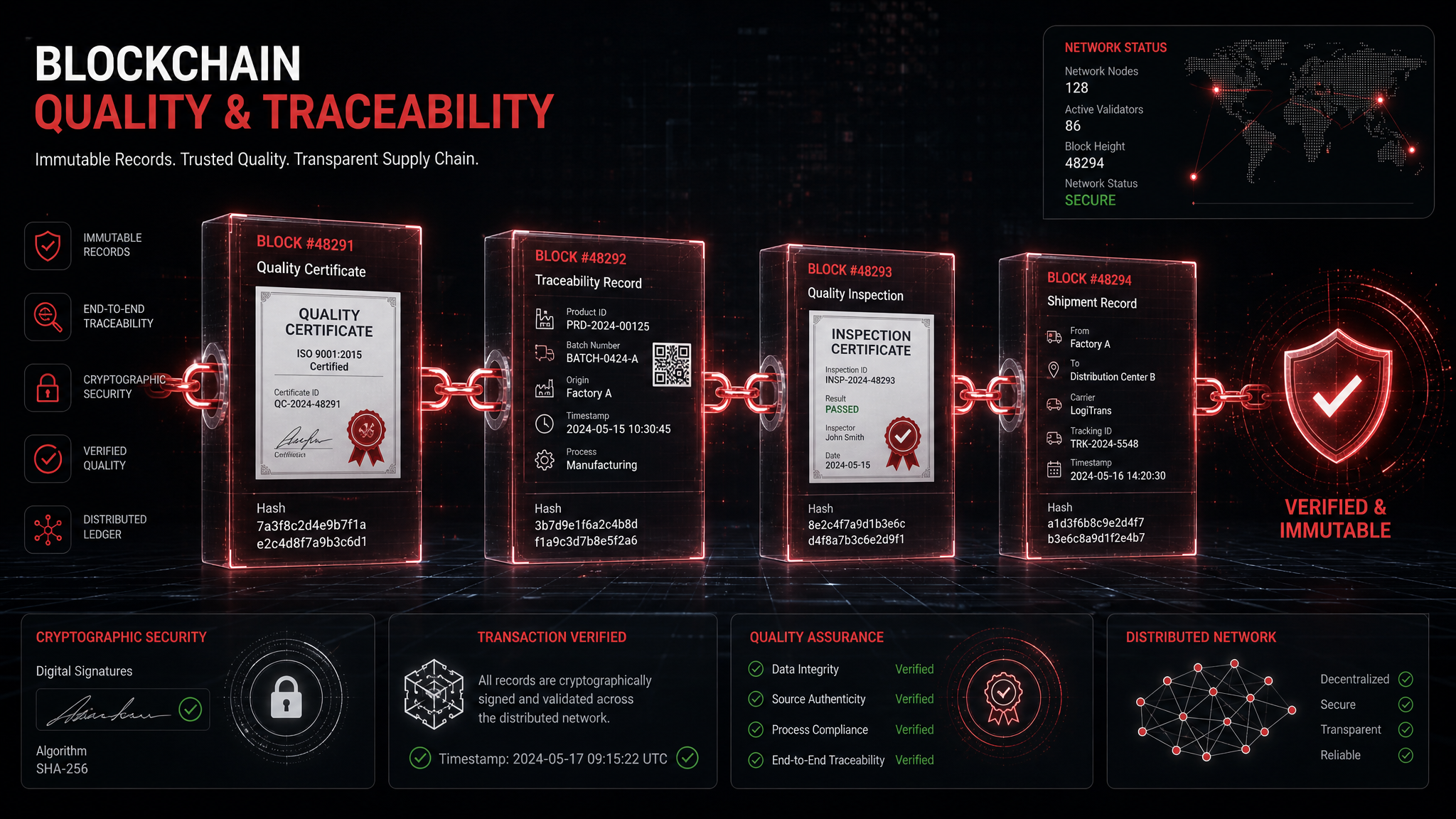
Blockchain for Quality Traceability: Securing the Quality Record in a Digital World
Explore how blockchain technology creates immutable, tamper-proof quality records that strengthen traceability, regulatory compliance, and customer trust.
Quality 4.0 FAQ
Expert answers to the most common questions about Quality 4.0
How long does a Quality 4.0 transformation take?
What is the typical budget for a Quality 4.0 implementation?
What are the biggest barriers to Quality 4.0 adoption?
Why is blockchain useful for quality traceability?
What types of quality records benefit most from blockchain?
Is blockchain practical for small and mid-size manufacturers?
How is augmented reality used in quality management?
What is the ROI of augmented reality for quality inspection?
What hardware is needed for AR quality applications?
How does Quality 4.0 improve supplier quality management?
What percentage of quality defects originate from suppliers?
What is a supplier quality portal and how does it work?
Ready to Start Your Quality 4.0 Journey?
IntelligentQMS provides the cloud-based quality management platform that serves as the foundation for your Quality 4.0 transformation. Start with a modern QMS and build from there.