Augmented Reality for Quality Training and Inspection: The Future of Workforce Development
Discover how augmented reality (AR) accelerates quality training, reduces inspection errors, and provides real-time work instructions on the shop floor.
John Lee
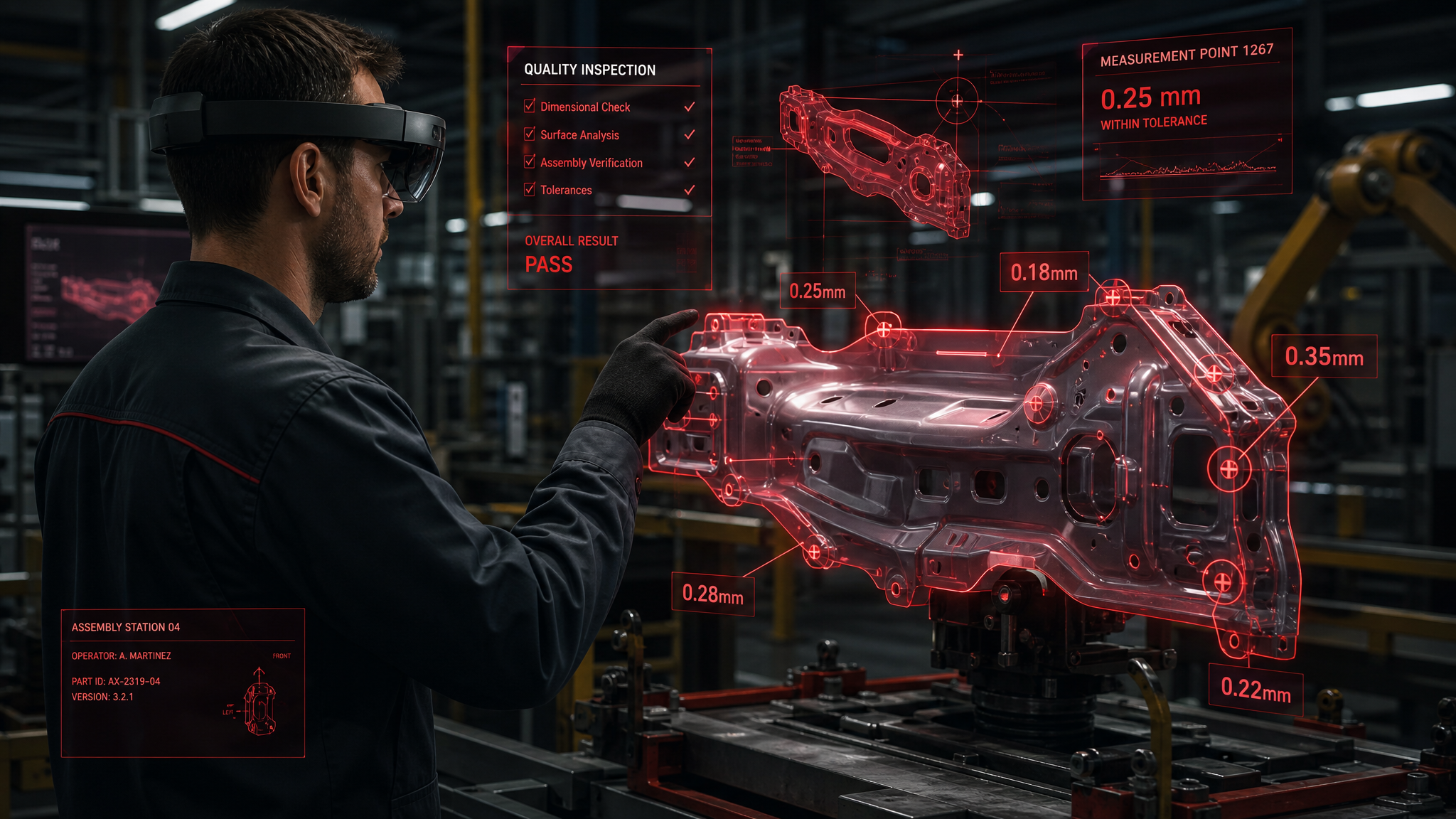
Illustrative image generated using AI; any people depicted are not real individuals.
The manufacturing workforce is facing a dual challenge: experienced quality professionals are retiring at an accelerating rate, while the complexity of quality requirements continues to increase. Augmented reality addresses both challenges simultaneously — it captures expert knowledge in digital form and delivers it to workers in context, exactly when and where they need it.
Three Applications of AR in Quality
1. AR-Guided Inspection
AR-guided inspection overlays digital instructions — measurement points, acceptance criteria, inspection sequences, and visual references — directly onto the physical part through a tablet, smart glasses, or headset. The inspector sees exactly what to check, where to measure, and what the acceptance criteria are, without referring to paper work instructions or switching between a computer screen and the part.
Boeing's implementation of AR-guided inspection on wire harness assemblies is one of the most cited success stories. Inspection time decreased by 25%, and error rates dropped to near zero — a critical improvement for safety-of-flight components. Similar results have been reported by Lockheed Martin (30% faster inspection of F-35 components) and Porsche (40% reduction in quality deviations on the assembly line).
2. Interactive Quality Training
Traditional quality training relies on classroom sessions, written procedures, and mentorship. AR transforms training into an interactive, hands-on experience where trainees learn by doing — guided step-by-step through actual inspection and measurement tasks on real parts.
Research from the University of Michigan's Human-Computer Interaction lab found that AR-trained inspectors achieved proficiency 46% faster than traditionally trained counterparts and retained procedures 32% better after 30 days. For manufacturers facing high turnover or seasonal workforce fluctuations, this accelerated training capability directly impacts quality outcomes.
The most effective AR training systems capture the knowledge of senior inspectors — their techniques, their mental checklists, the subtle cues they look for — and encode this expertise into digital work instructions that any worker can follow.
3. Remote Expert Assistance
When a quality issue arises on the shop floor and the local team cannot resolve it, AR enables remote experts to see exactly what the on-site worker sees. The expert can overlay annotations, draw attention to specific features, and guide troubleshooting in real time — without traveling to the facility.
During the post-pandemic period, remote expert assistance became essential for supplier quality management. Quality engineers conducted virtual process audits and guided corrective action verification through AR platforms, maintaining supplier quality oversight while reducing travel budgets by 60% (Deloitte Manufacturing Survey, 2024).
Implementation Considerations
Start with the application that delivers the fastest ROI for your organization:
- High-mix/low-volume manufacturers: AR-guided inspection delivers the most value because operators frequently switch between different parts with different inspection criteria.
- Organizations with high workforce turnover: AR training reduces the time and cost of bringing new inspectors up to competency.
- Multi-site operations: Remote expert assistance extends your specialist quality resources across all facilities without travel.
Content creation is the hidden effort in AR implementation. Someone must author the AR work instructions, define measurement points, and create the visual overlays. Budget 2–4 hours of content creation per inspection procedure. Modern AR platforms include no-code authoring tools that quality engineers can use without software development skills.
The Maturity Path
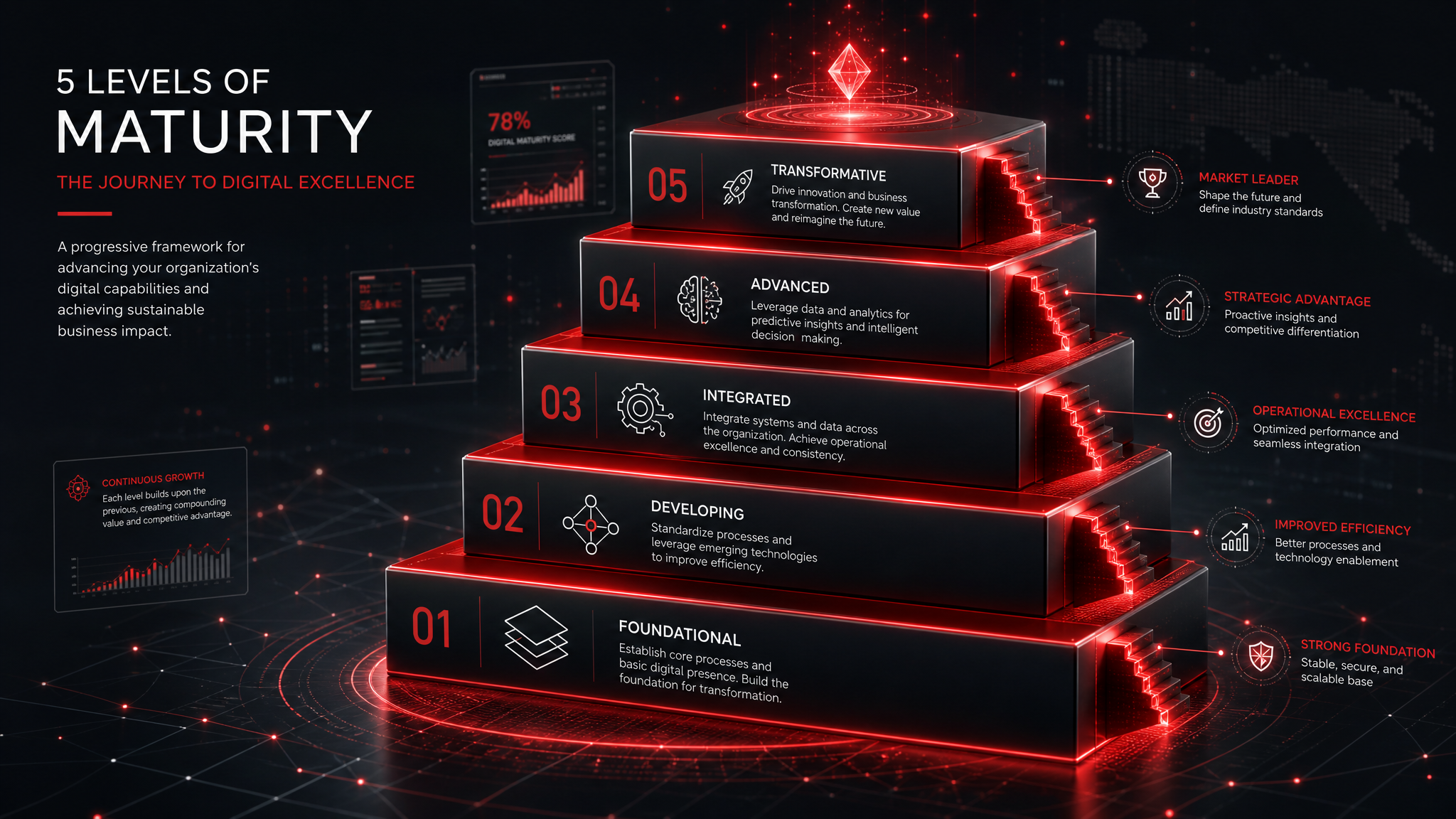
Most organizations start with tablet-based AR (lowest cost, easiest deployment) and graduate to smart glasses or headsets as they validate the value. The global AR in manufacturing market is projected to reach $13.2 billion by 2028 (MarketsandMarkets, 2024), driven primarily by quality and training applications. As hardware costs decline and content authoring tools improve, AR will become a standard part of the quality professional's toolkit.
Frequently Asked Questions
How is augmented reality used in quality management?
What is the ROI of augmented reality for quality inspection?
What hardware is needed for AR quality applications?
About the Author
John Lee
Founder & Quality Systems Architect
John Lee brings over 20 years of hands-on experience in quality management across automotive, aerospace, and medical device manufacturing. As the founder of IntelligentQMS, he has helped organizations worldwide implement robust quality management systems that drive operational excellence.
Related Articles
AI-Powered Quality Inspection: Computer Vision and Machine Learning on the Shop Floor
Building Your Quality 4.0 Roadmap: A Step-by-Step Implementation Framework