What Is Quality 4.0? Definition, Principles, and the Evolution from Quality 1.0 to 4.0
Quality 4.0 merges traditional quality disciplines with Industry 4.0 technologies. Learn the definition, core principles, and how quality management has evolved across four industrial revolutions.
John Lee
Illustrative image generated using AI; any people depicted are not real individuals.
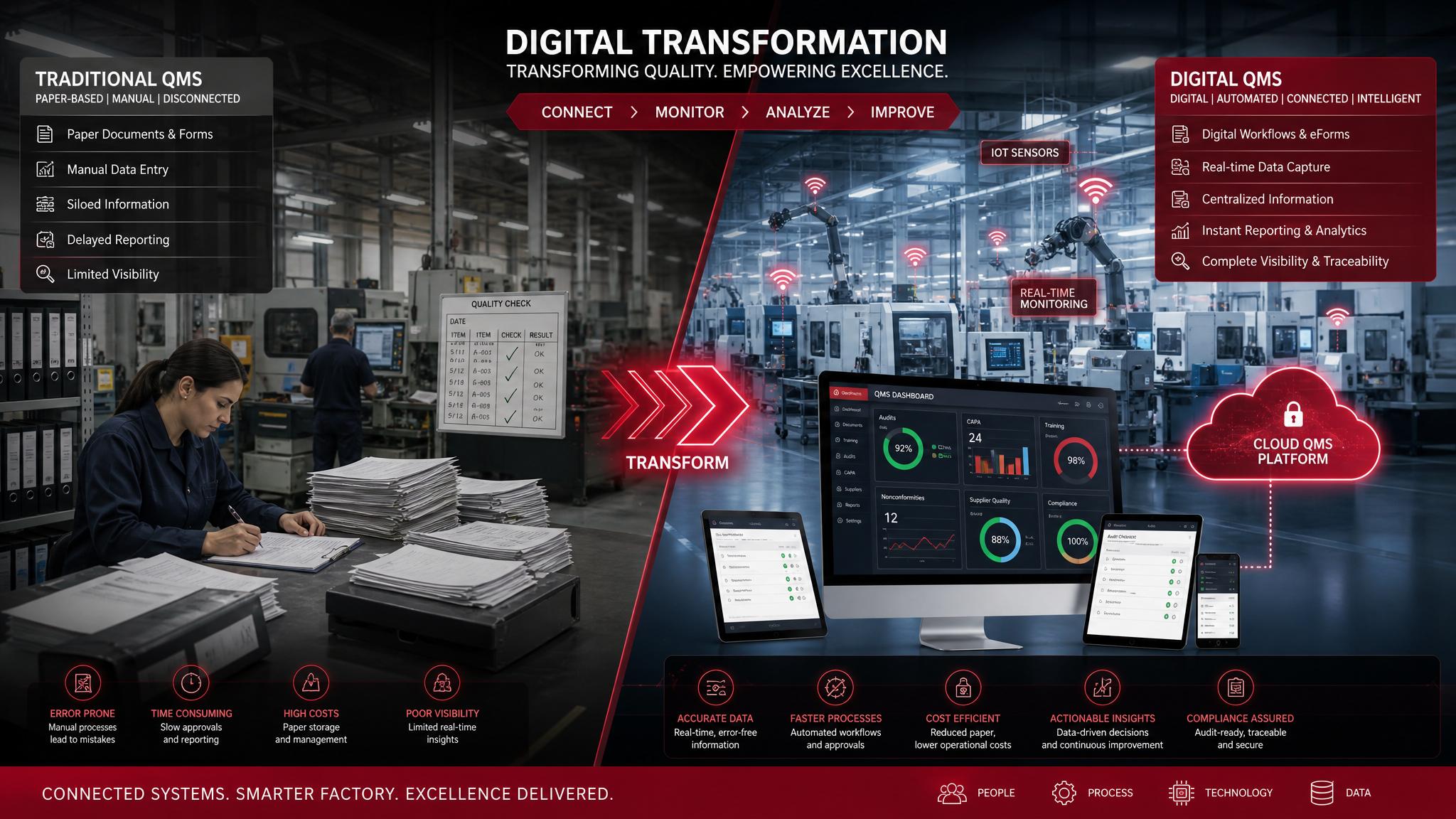
Quality 4.0 is not a software product you buy or a certification you earn — it is a fundamental shift in how organizations think about, measure, and improve quality. According to the American Society for Quality (ASQ), Quality 4.0 is "the future of quality and organizational excellence," connecting traditional quality methods with digital capabilities to drive unprecedented performance.
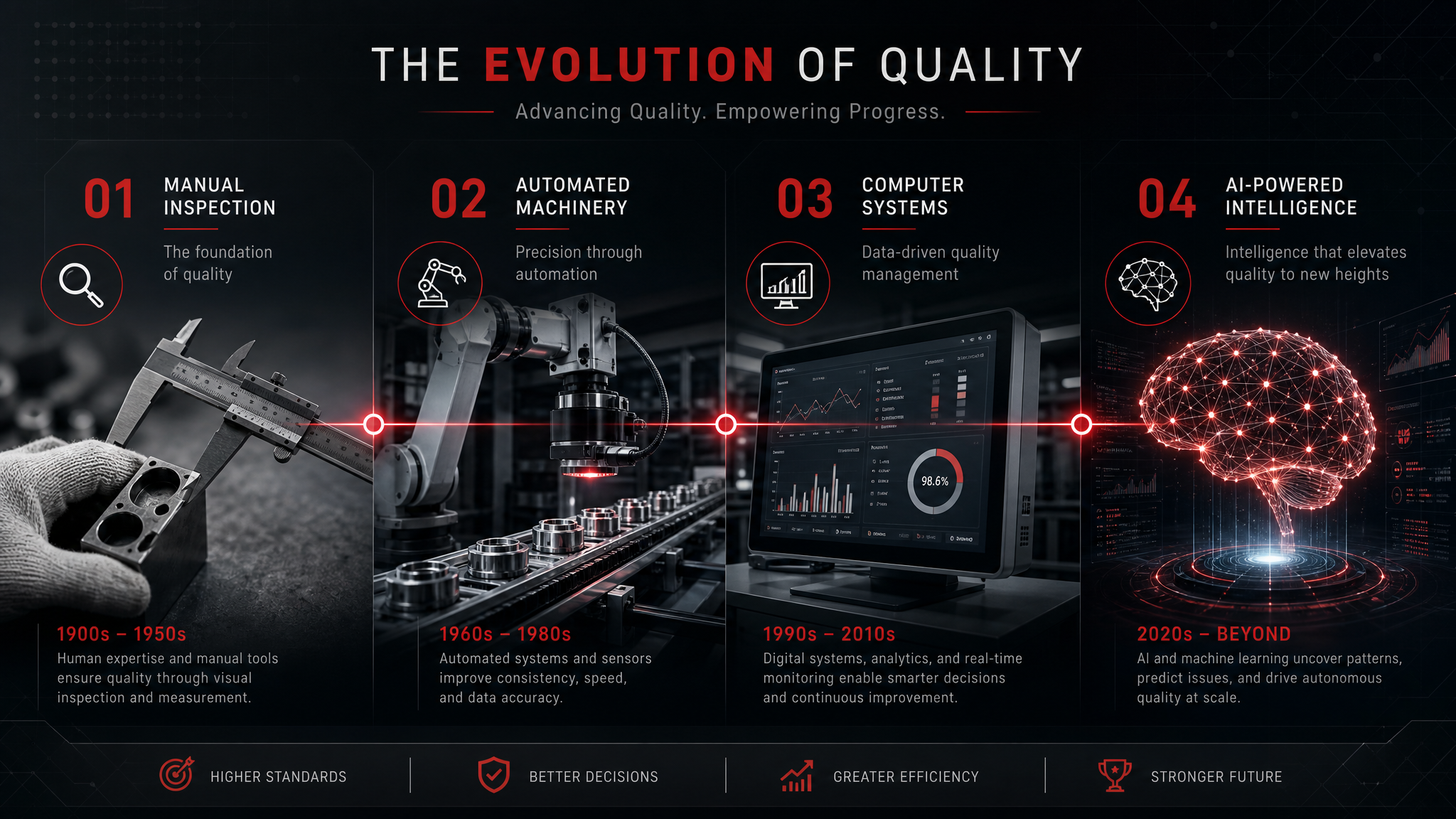
The Evolution: Quality 1.0 Through Quality 4.0
Understanding Quality 4.0 requires context. Quality management has evolved through four distinct eras, each building on the last:
- Quality 1.0 — Inspection (Pre-1950s): Quality was achieved by inspecting finished products and rejecting defects. Craftsmen relied on skill and experience. There was no systematic prevention — only detection after the fact.
- Quality 2.0 — Statistical Control (1950s–1990s): Pioneers like W. Edwards Deming, Joseph Juran, and Kaoru Ishikawa introduced statistical process control (SPC), total quality management (TQM), and formalized quality systems. ISO 9001 was first published in 1987, giving organizations a universal framework.
- Quality 3.0 — Global Integration (1990s–2010s): Six Sigma, Lean Manufacturing, and integrated supply-chain quality emerged. Quality became a strategic business function with measurable financial impact. The cost of poor quality (COPQ) entered the boardroom conversation.
- Quality 4.0 — Intelligent Quality (2010s–Present): AI, machine learning, IoT sensors, cloud computing, and digital twins converge to create quality systems that predict, prevent, and self-correct. A 2023 McKinsey report found that manufacturers adopting Quality 4.0 technologies achieved 30–50% reductions in quality-related costs.
The Six Pillars of Quality 4.0
Quality 4.0 is not just about technology — it encompasses six interconnected pillars that together transform the quality function:
1. Data as the Foundation
Every Quality 4.0 initiative begins with data. Connected sensors, digital inspection systems, and integrated ERP/QMS platforms generate orders of magnitude more data than manual systems. The key differentiator is not volume — it is the ability to analyze that data in real time and convert it into actionable insights. According to LNS Research, companies with mature data architectures are 2.5× more likely to achieve first-pass yield above 95%.
2. Analytics and Intelligence
Raw data becomes valuable only through analytics. Quality 4.0 organizations move beyond descriptive dashboards into predictive and prescriptive analytics — identifying potential failures before they occur and recommending optimal corrective actions. Machine learning models trained on historical quality data can identify subtle patterns invisible to human analysts.
3. Connectivity and Integration
Siloed systems are the enemy of Quality 4.0. When your QMS, ERP, MES, and SPC platforms share data in real time, you gain end-to-end visibility. A nonconformance detected at incoming inspection can automatically trigger a supplier corrective action request (SCAR), update risk assessments, and adjust incoming inspection sampling plans — all without manual intervention.
4. Scalability Through the Cloud
Cloud-based quality management systems eliminate the infrastructure barriers that once limited smaller manufacturers. A 2024 Gartner report noted that 65% of quality management workloads will run in the cloud by 2027, up from 35% in 2023. Cloud platforms also enable multi-site standardization and real-time collaboration across global operations.
5. Transparency and Traceability
Quality 4.0 demands complete traceability — from raw material origin through final product delivery. Technologies like blockchain and digital product passports create immutable quality records that satisfy both regulatory requirements and increasingly demanding customers.
6. Culture and Competence
Technology alone does not deliver Quality 4.0. Organizations must invest in digital literacy for quality professionals. ASQ's 2024 Global State of Quality Research found that 72% of organizations identified "workforce skills gaps" as the top barrier to Quality 4.0 adoption — ahead of budget constraints or technology availability.
Quality 4.0 by the Numbers
The business case for Quality 4.0 is compelling. Research from Boston Consulting Group (BCG) shows that digital quality leaders achieve:
- 35% lower cost of poor quality (COPQ) compared to industry averages
- 50% reduction in customer complaints within the first 18 months
- 25% faster time-to-resolution for corrective actions
- 20% improvement in first-pass yield through predictive analytics
These results are not theoretical — they represent measured outcomes from BCG's analysis of 200+ manufacturing companies that have implemented Quality 4.0 technologies between 2020 and 2025.
Getting Started: Where Quality 4.0 Meets Your Current QMS
The critical insight is that Quality 4.0 does not replace your existing quality management system — it enhances it. Your ISO 9001 framework, your FMEA methodology, your corrective action process — these remain the foundation. Quality 4.0 adds a digital layer that makes these tools faster, smarter, and more connected.
Start by assessing your current digital maturity, identifying the highest-impact use cases, and building a phased roadmap. The articles in this Quality 4.0 hub will guide you through each step of that journey.
Frequently Asked Questions
What is Quality 4.0 and how does it differ from traditional quality management?
What are the four eras of quality management (Quality 1.0 through 4.0)?
What are the core principles of Quality 4.0?
About the Author
John Lee
Founder & Quality Systems Architect
John Lee brings over 20 years of hands-on experience in quality management across automotive, aerospace, and medical device manufacturing. As the founder of IntelligentQMS, he has helped organizations worldwide implement robust quality management systems that drive operational excellence.
Related Articles
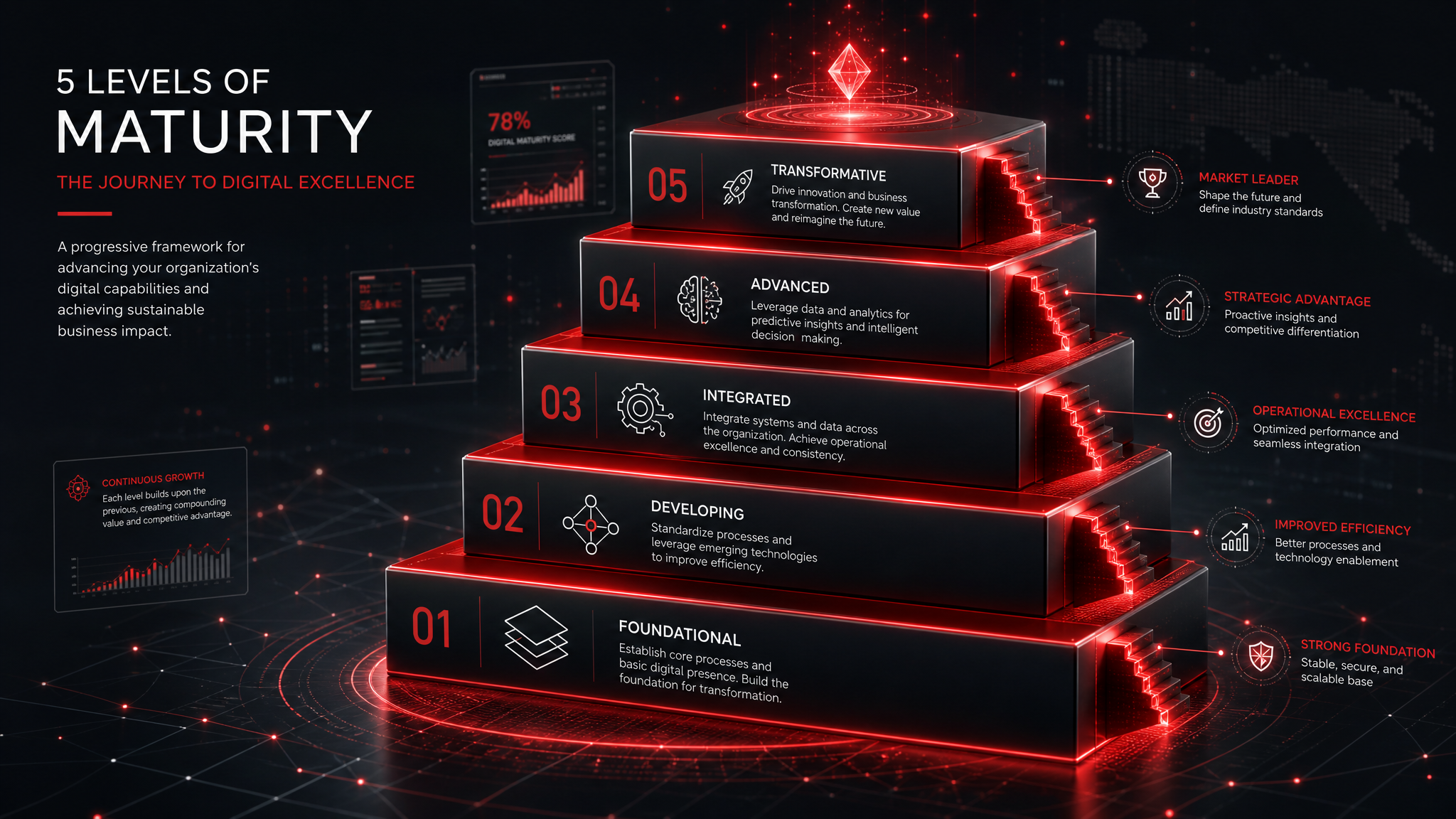
Quality 4.0 Maturity Model: Assessing Your Organization's Digital Quality Readiness
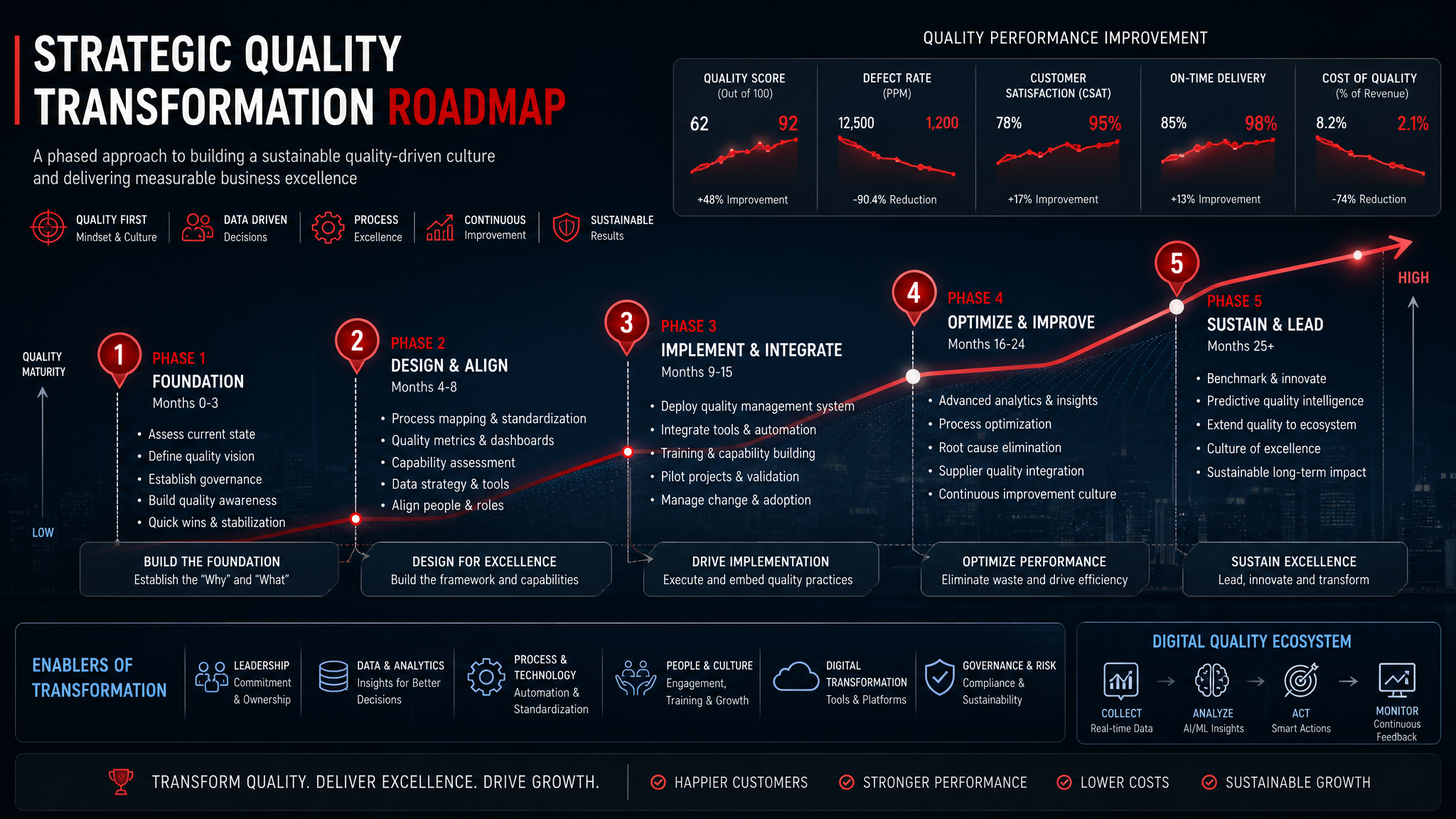
Building Your Quality 4.0 Roadmap: A Step-by-Step Implementation Framework