Digital Twins for Quality Management: Simulating Processes Before They Fail
Explore how digital twin technology allows manufacturers to simulate, predict, and optimize quality outcomes in a virtual environment before making changes on the shop floor.
John Lee
Illustrative image generated using AI; any people depicted are not real individuals.
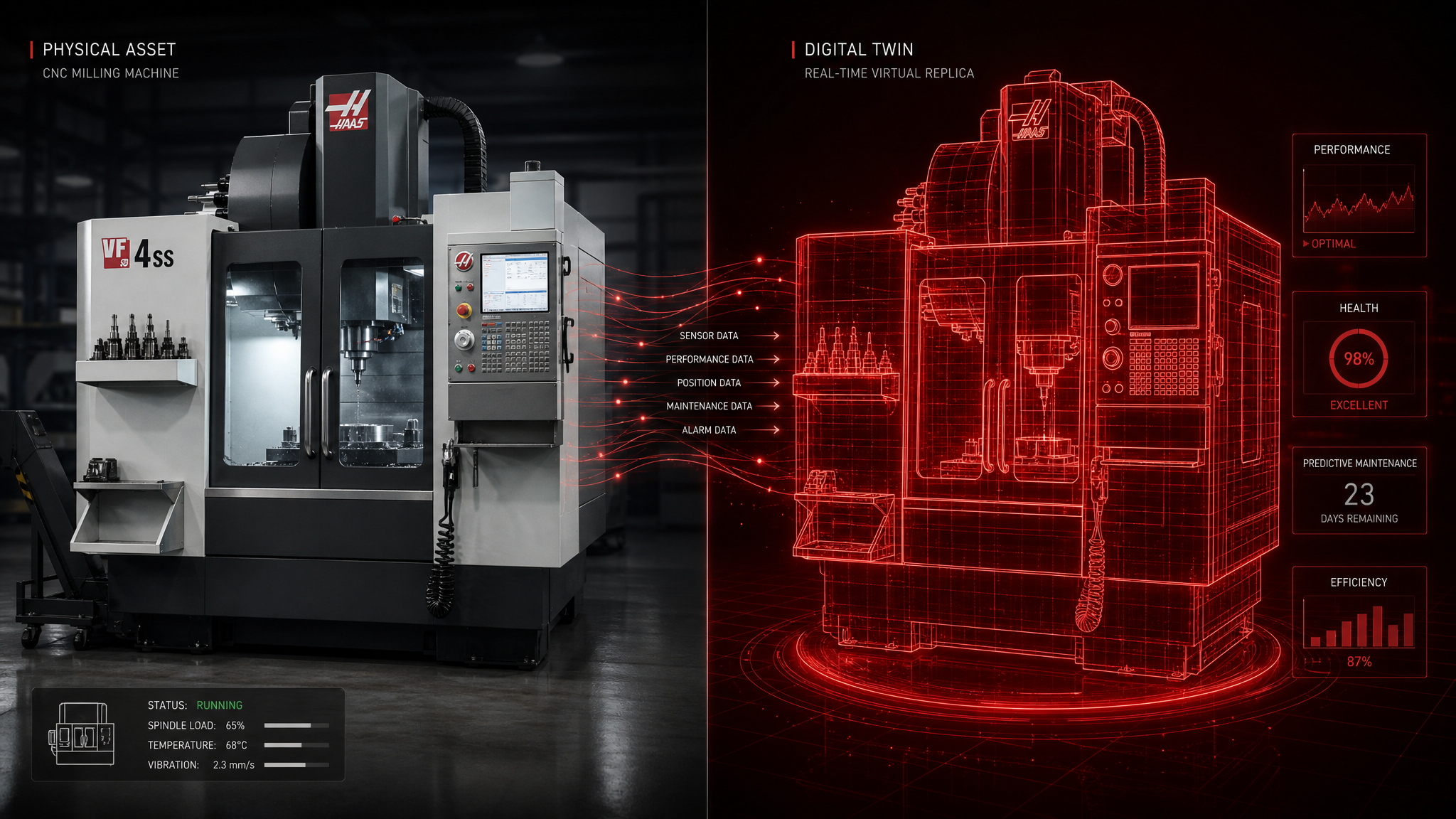
Digital twin technology has emerged as one of the most powerful tools in the Quality 4.0 toolkit. By creating a virtual replica of your manufacturing process that mirrors real-time conditions, digital twins allow quality teams to predict outcomes, test scenarios, and optimize quality before committing to physical changes. According to Gartner, by 2027, over 40% of large manufacturers will use digital twins for quality optimization — up from just 12% in 2023.
The Three Types of Quality Digital Twins
Product Digital Twin
A product digital twin models the physical and functional characteristics of the product throughout its lifecycle. For quality purposes, it tracks dimensional integrity, material properties, and performance characteristics. When a customer complaint arrives, the product twin lets you trace back to exact manufacturing conditions — which machine, which batch of material, which operator shift.
Process Digital Twin
A process digital twin models the manufacturing process itself — all input parameters, environmental conditions, and their relationships to output quality. This is the most common type for quality management. It answers questions like: "If I increase injection pressure by 5%, what happens to part warpage?" or "If the coolant temperature rises 3°C, will surface finish still meet spec?"
System Digital Twin
A system-level twin models the entire production system — multiple processes, material flow, quality checkpoints, and their interactions. It is particularly valuable for identifying systemic quality issues that span multiple process steps, such as cumulative tolerance stackup problems or cross-contamination risks.
How Quality Digital Twins Work in Practice
A practical quality digital twin architecture follows this flow:
- Data Ingestion: IoT sensors stream real-time process data (temperatures, pressures, speeds, vibrations) into the twin platform. SCADA systems, PLCs, and MES contribute additional context. Data refresh rates range from sub-second for critical processes to minutes for batch operations.
- Physics-Based + Data-Driven Models: The twin combines physics-based models (thermodynamics, fluid dynamics, material science equations) with machine learning models trained on historical quality data. This hybrid approach is more robust than either approach alone.
- Simulation Engine: The twin runs continuous simulations — comparing predicted quality outcomes against specification limits. When predictions indicate a quality risk, alerts are generated before defective parts are produced.
- Optimization Loop: Advanced twins can recommend optimal process parameter settings. "To maximize yield while maintaining Cpk > 1.67, set temperature to 187°C ± 2°C and pressure to 85 bar ± 1 bar."
Measured Outcomes
Organizations implementing quality-focused digital twins report significant improvements:
- GE Aviation reported a 20% reduction in engine testing time by using digital twins to pre-validate quality outcomes virtually (GE Aviation Annual Report, 2024).
- BMW Group achieved 25% fewer quality deviations in new product launches by running digital twin simulations during the APQP phase (BMW Group Technology Report, 2023).
- Bosch reduced new process qualification time by 40% using process digital twins to optimize parameters before first-article production (Bosch Manufacturing Technology Review, 2024).
Getting Started with Quality Digital Twins
You do not need a multi-million dollar platform to begin. Start with a single critical process where you have good sensor data and historical quality records. Build a simple regression model that predicts your key quality characteristic from process parameters. Validate it against real production data. This "digital twin lite" approach delivers value quickly and builds organizational confidence for more sophisticated implementations.
The most important prerequisite is data quality. A digital twin is only as reliable as the data that feeds it. Before investing in simulation software, ensure your data collection infrastructure is solid — calibrated sensors, reliable data transmission, and clean storage.
Frequently Asked Questions
What is a digital twin in the context of quality management?
How are digital twins used to prevent quality defects?
What data inputs does a quality-focused digital twin require?
About the Author
John Lee
Founder & Quality Systems Architect
John Lee brings over 20 years of hands-on experience in quality management across automotive, aerospace, and medical device manufacturing. As the founder of IntelligentQMS, he has helped organizations worldwide implement robust quality management systems that drive operational excellence.
Related Articles
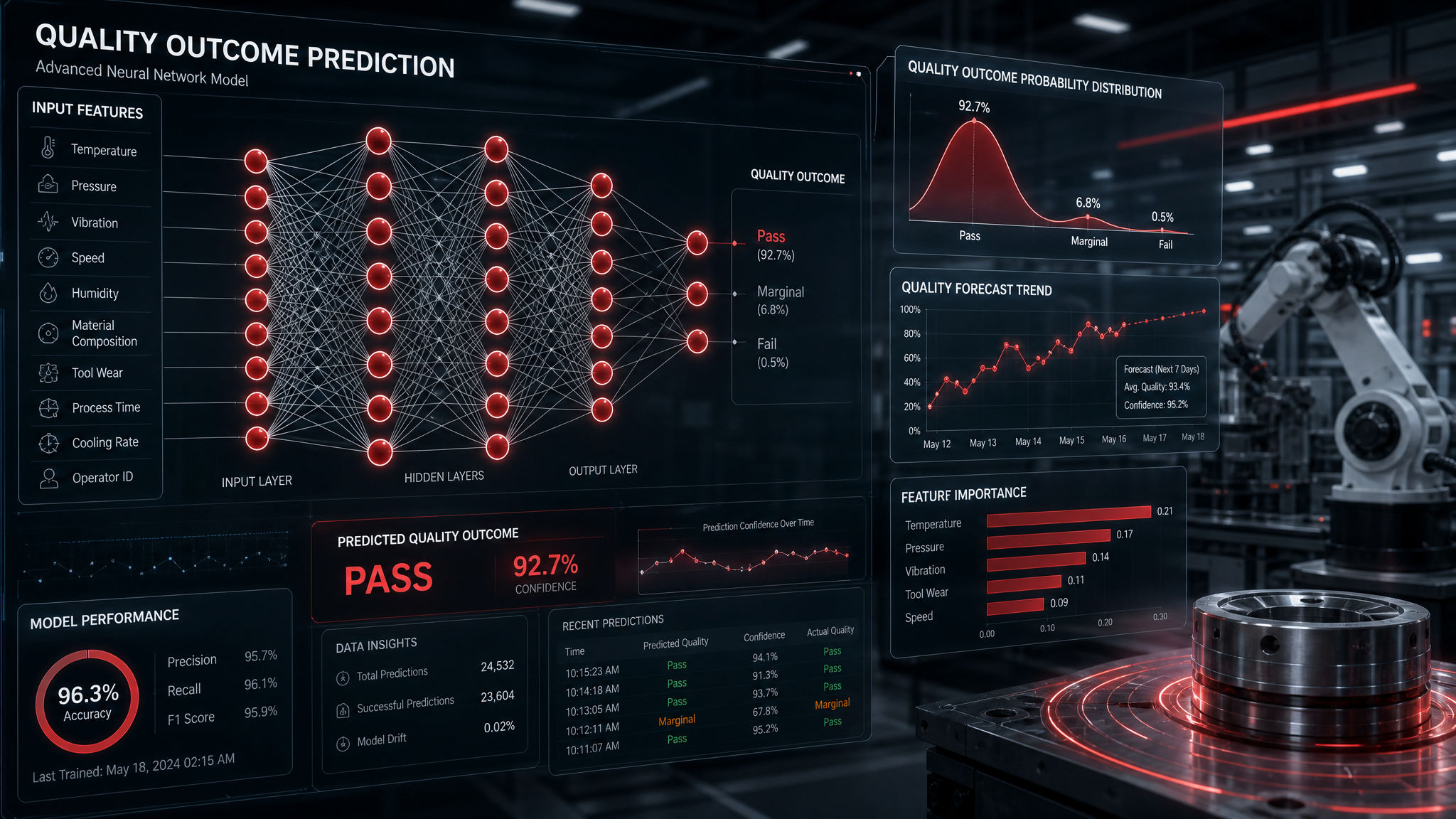
Predictive Quality Analytics: Using Machine Learning to Prevent Defects Before They Occur
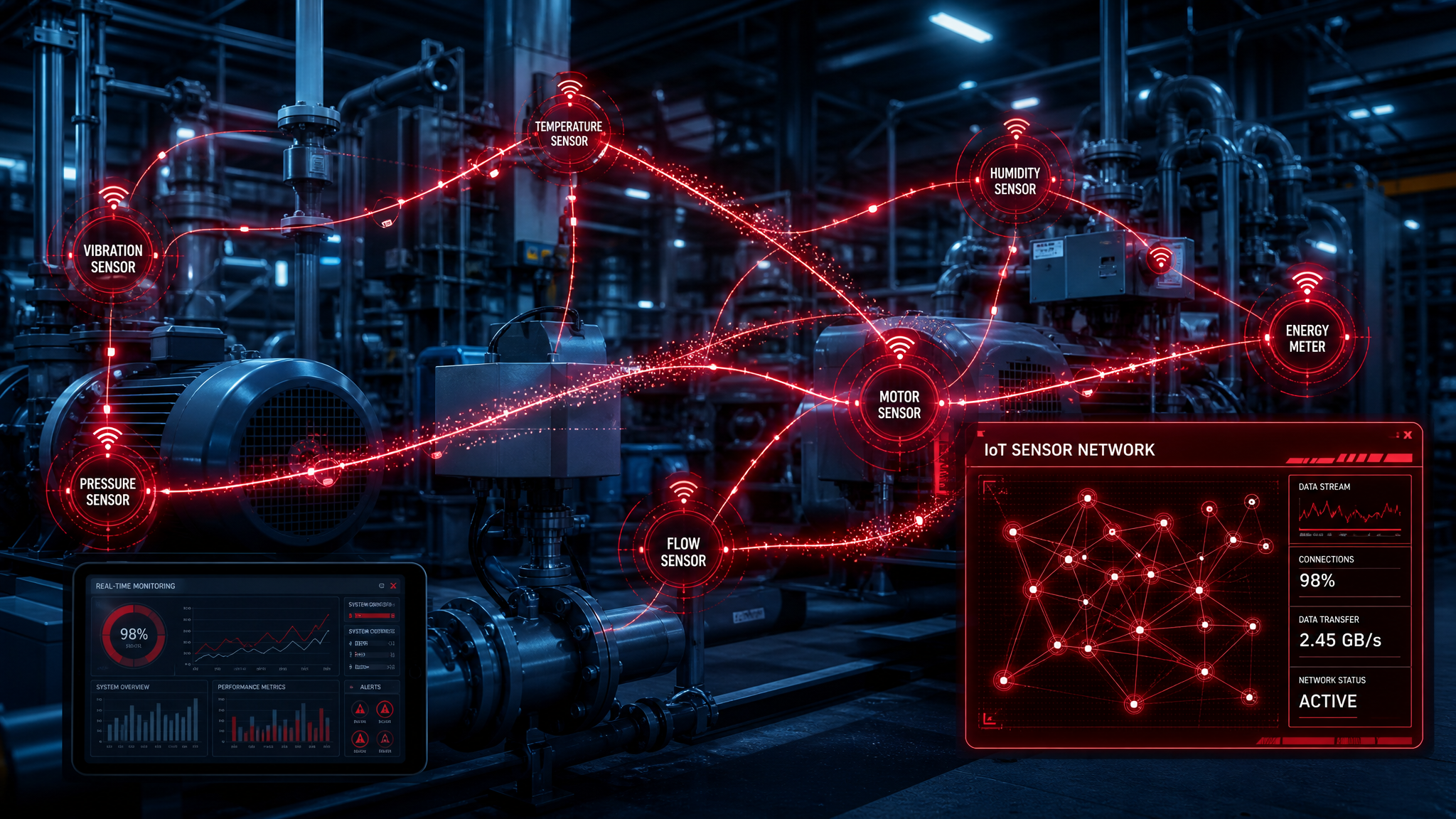
IoT-Enabled Quality: How Connected Sensors Transform Manufacturing Quality