Quality 4.0 and the Connected Supply Chain: Real-Time Supplier Quality Visibility
Learn how Quality 4.0 technologies enable real-time supplier quality monitoring, automated compliance verification, and predictive supply chain risk management.
John Lee
Illustrative image generated using AI; any people depicted are not real individuals.
Your quality is only as good as your supply chain. When 40–60% of product defects originate from supplied components (AIAG data), supplier quality management is not a secondary concern — it is a primary quality lever. Quality 4.0 transforms supplier quality from periodic audits and incoming inspection into continuous, data-driven supply chain quality intelligence.
The Limitations of Traditional Supplier Quality
Traditional supplier quality management relies on annual audits, incoming inspection sampling, and monthly scorecards compiled from manual data. The problems are well-known:
- Lagging indicators: You discover quality problems weeks or months after they occur — after defective parts have entered your production and potentially reached customers.
- Statistical blindness: Incoming inspection samples 1–5% of received parts. You are making accept/reject decisions based on a tiny fraction of the actual population.
- Information asymmetry: Your supplier knows about process changes, material substitutions, and quality issues days or weeks before you do — if you find out at all.
- Reactive relationships: Supplier quality interactions are dominated by complaint management rather than proactive improvement.
The Quality 4.0 Connected Supply Chain
Real-Time Quality Data Sharing
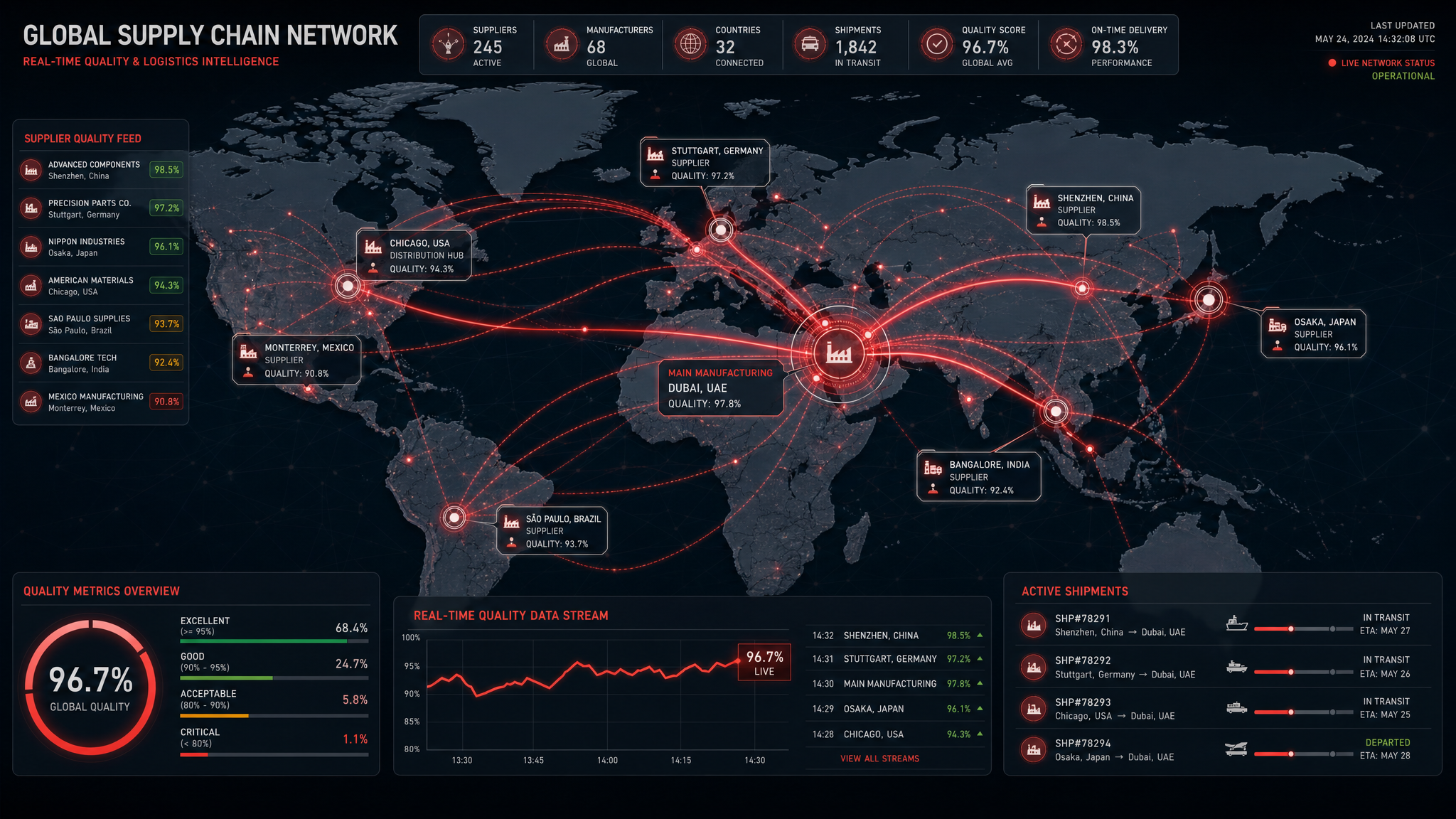
In a Quality 4.0 supply chain, suppliers share production quality data in real time through cloud-based portals. SPC data from the supplier's process streams directly into your quality dashboard. You see control chart patterns at the same time the supplier does — enabling collaborative intervention before out-of-spec parts are shipped.
According to a 2024 BCG study, manufacturers with real-time supplier quality data sharing reduced incoming inspection costs by 35% and supplier-related defect rates by 42% compared to organizations using traditional methods.
Predictive Supplier Risk Scoring
ML models can analyze multiple data streams — quality history, delivery performance, financial health indicators, regulatory changes, and even news sentiment — to generate predictive risk scores for each supplier. A supplier whose on-time delivery has declined 8% over the last quarter while their key quality engineer resigned may not trigger any single alarm, but a predictive model recognizes the converging risk pattern.
Automated Compliance Verification
AI-powered document processing can automatically verify supplier certifications (ISO 9001, IATF 16949, AS9100), certificates of analysis, PPAP packages, and material certifications. The system flags expired certifications, missing documents, and out-of-specification test results without manual review. For a manufacturer managing 200+ suppliers, this automation saves hundreds of hours per year.
Digital Supplier Audits
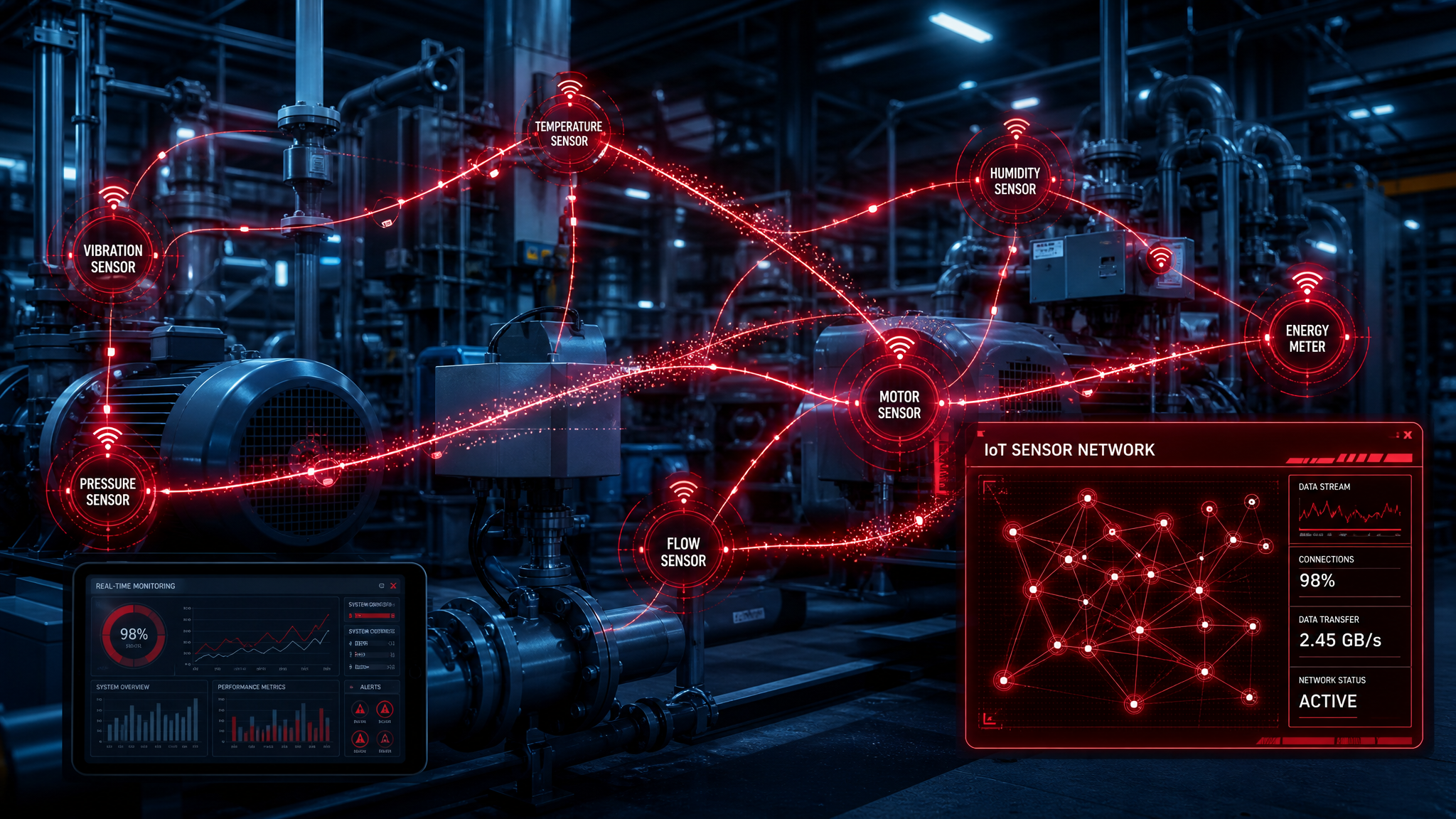
While in-person audits remain valuable, digital audit capabilities supplement them with continuous monitoring. Suppliers share real-time process data, dashboard access, and video walkthroughs. Some organizations use IoT-verified process data — confirming that the supplier's actual process parameters match their documented process — as part of ongoing surveillance between formal audits.
Building the Connected Supply Chain
Implementation follows a maturity progression:
- Phase 1: Deploy a supplier portal for document exchange, CAPA tracking, and scorecard visibility. This digitizes existing processes without requiring supplier technology investment.
- Phase 2: Integrate supplier quality data with your QMS. Incoming inspection results, supplier corrective actions, and performance metrics flow into a single platform.
- Phase 3: Enable real-time data sharing with strategic suppliers. Start with your top 10–20 suppliers by quality risk and volume.
- Phase 4: Deploy predictive analytics for supply chain quality risk management and automated compliance monitoring.
The key insight is that a connected supply chain benefits both parties. Suppliers gain visibility into your requirements, receive faster feedback, and reduce the cost of managing your account. Frame the initiative as a partnership, not a surveillance program.
Frequently Asked Questions
How does Quality 4.0 improve supplier quality management?
What percentage of quality defects originate from suppliers?
What is a supplier quality portal and how does it work?
About the Author
John Lee
Founder & Quality Systems Architect
John Lee brings over 20 years of hands-on experience in quality management across automotive, aerospace, and medical device manufacturing. As the founder of IntelligentQMS, he has helped organizations worldwide implement robust quality management systems that drive operational excellence.
Related Articles
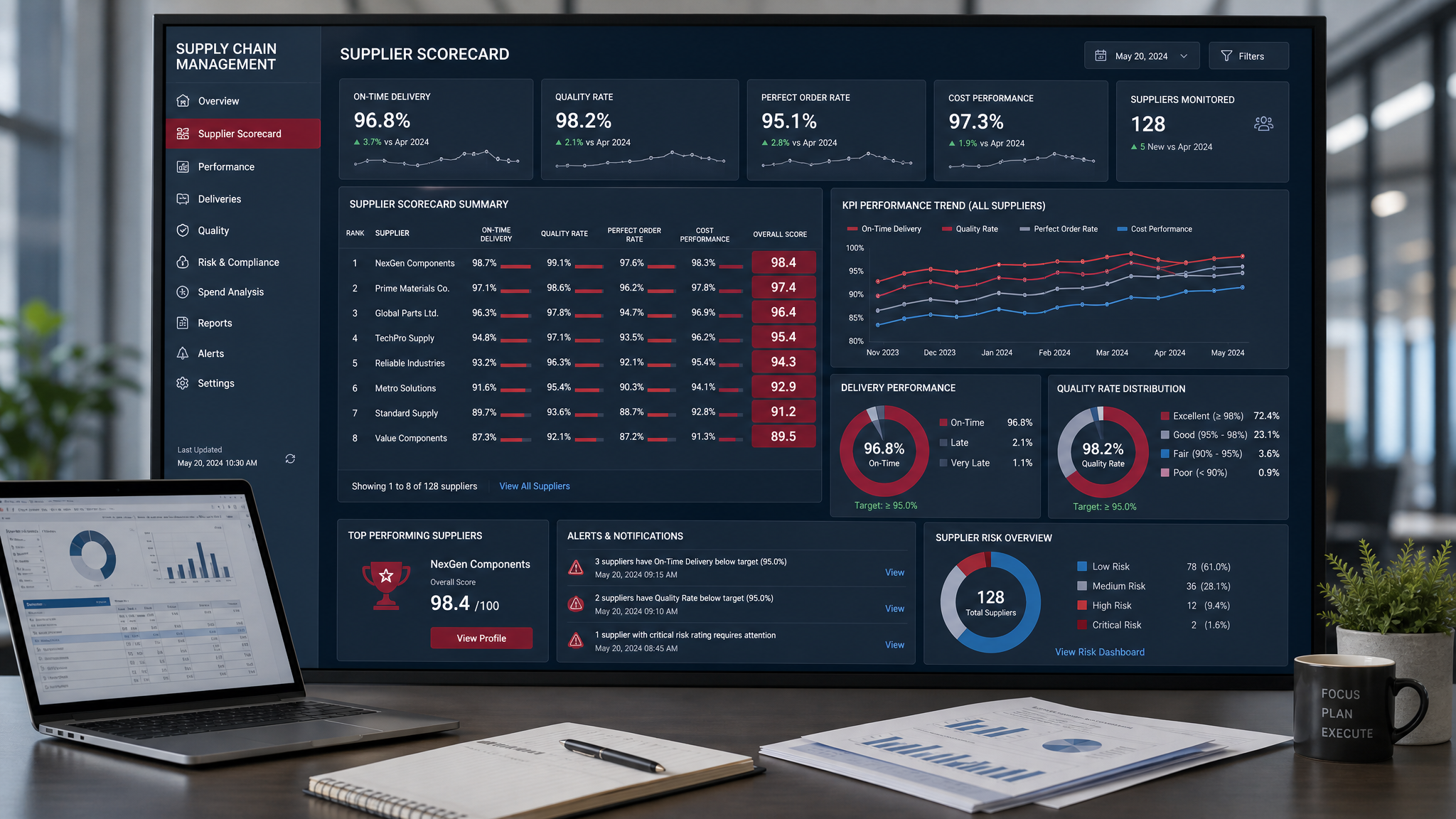
Building Effective Supplier Scorecards: Metrics That Drive Performance

The Complete Supplier Audit Checklist: What to Assess and How to Score