Cloud-Based QMS: Why Quality 4.0 Demands Modern Quality Management Software
Discover why cloud-based quality management systems are essential for Quality 4.0 — enabling real-time collaboration, scalable analytics, and seamless multi-site standardization.
John Lee
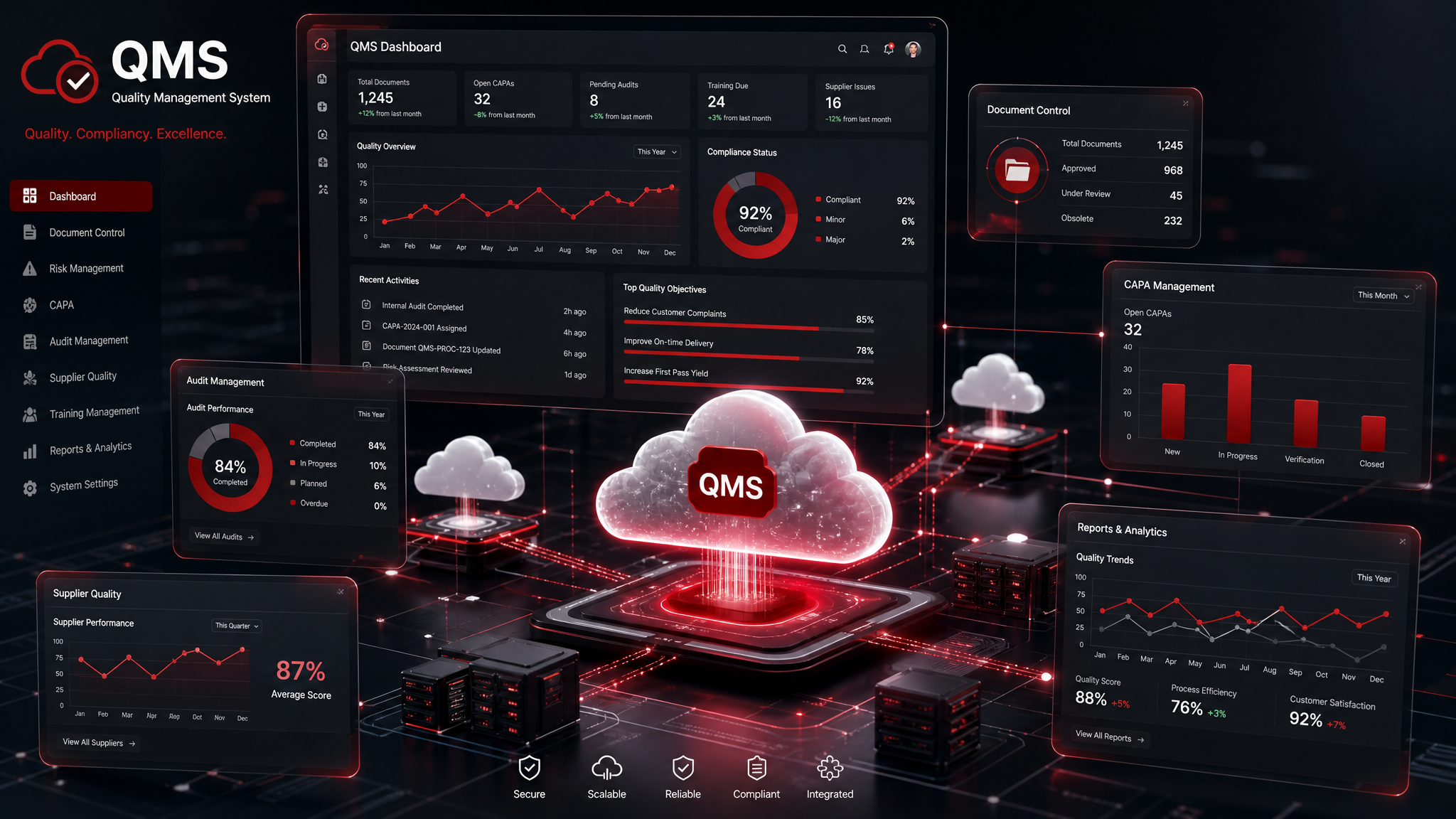
Illustrative image generated using AI; any people depicted are not real individuals.
Your quality management system is the central nervous system of your quality operations. If that system is a 15-year-old on-premise application with a client-server architecture and a 90s-era user interface, it becomes a bottleneck for every Quality 4.0 initiative. Modern cloud-based QMS platforms provide the foundation that Quality 4.0 requires.
Why Legacy QMS Software Cannot Support Quality 4.0
Most on-premise QMS applications were designed for document control and CAPA management in a world of paper-based quality. They lack the architecture needed for Quality 4.0:
- No API-First Architecture: Legacy systems were not built for integration. Connecting IoT sensors, AI analytics, or ERP systems requires expensive custom development or brittle middleware.
- Limited Scalability: On-premise servers have fixed capacity. When you need to process 100× more data from IoT sensors, you need to buy and configure new hardware.
- Siloed by Design: Each plant runs its own instance with its own configuration. Multi-site standardization requires manual effort and is rarely achieved in practice.
- Slow Innovation Cycles: On-premise upgrades happen once or twice per year — if at all. Cloud platforms release improvements continuously.
What Cloud QMS Enables for Quality 4.0
Real-Time Multi-Site Visibility
With a cloud QMS, a quality director can see corrective action status, audit findings, SPC trends, and supplier performance across every facility in real time — from a single dashboard. This visibility enables faster decision-making and earlier intervention. According to LNS Research, manufacturers using cloud QMS achieve 22% faster CAPA closure times compared to those using on-premise systems.
Native Integration Capabilities
Cloud platforms offer REST APIs, webhooks, and pre-built connectors that make integration with ERP systems (SAP, Oracle), MES platforms, IoT middleware, and analytics tools straightforward. This integration is the backbone of the connected quality ecosystem that Quality 4.0 demands.
Scalable Analytics Foundation
Cloud infrastructure provides the compute power needed for AI/ML workloads without capital investment. When you need to train a predictive quality model on 2 years of process data, cloud resources scale up for the task and scale back down when it is complete.
Continuous Compliance
Cloud QMS platforms stay current with evolving regulatory requirements. When ISO 9001 is revised, IATF 16949 updates its rules, or FDA issues new guidance, the platform updates its compliance features automatically — rather than requiring a manual upgrade project.
Evaluating Cloud QMS Platforms
When selecting a cloud QMS for Quality 4.0, evaluate these critical capabilities:
- API Coverage: Does the platform expose comprehensive APIs for all quality processes, not just document management?
- Analytics and Reporting: Does it include built-in analytics with customizable dashboards, or does it require a separate BI tool?
- Workflow Engine: Can you configure custom workflows for CAPA, change management, and approval processes without vendor involvement?
- Mobile Access: Does it offer native mobile apps for shop-floor data collection and audit execution?
- Validation Support: Does the vendor provide IQ/OQ documentation and support your validation activities?
- Data Migration: What tools and services are available to migrate your existing quality records from legacy systems?
The Business Case
A 2024 Nucleus Research analysis found that cloud QMS platforms deliver an average ROI of 310% over three years, with payback periods averaging 11 months. The primary drivers are reduced quality costs (COPQ reduction), eliminated IT infrastructure expenses, and productivity gains from streamlined workflows. For multi-site organizations, the standardization benefits alone often justify the investment.
Frequently Asked Questions
What are the advantages of a cloud-based QMS over on-premise software?
Is cloud-based QMS software validated for FDA 21 CFR Part 11 compliance?
How do cloud QMS platforms handle data security for sensitive quality data?
About the Author
John Lee
Founder & Quality Systems Architect
John Lee brings over 20 years of hands-on experience in quality management across automotive, aerospace, and medical device manufacturing. As the founder of IntelligentQMS, he has helped organizations worldwide implement robust quality management systems that drive operational excellence.
Related Articles
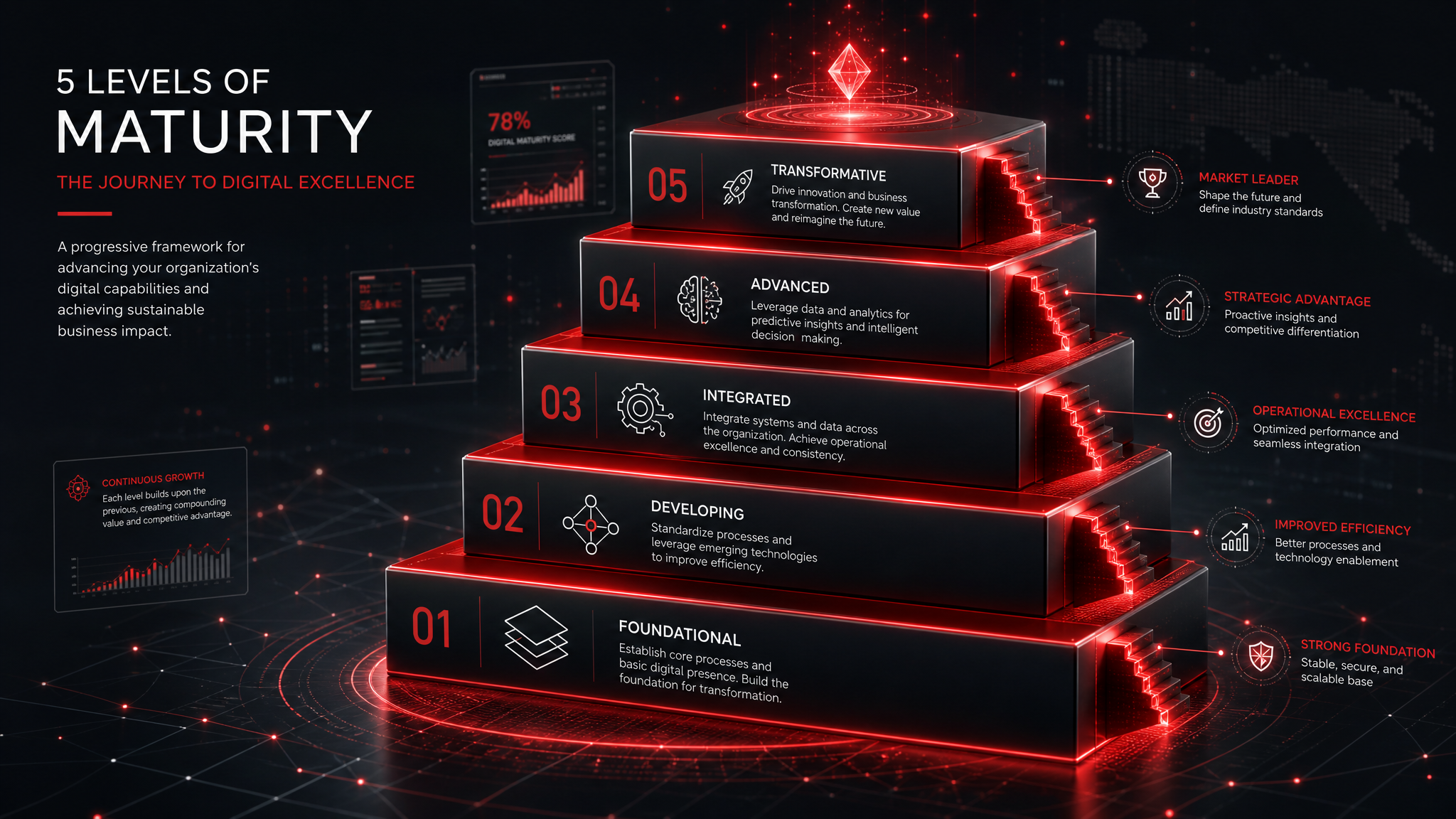
Quality 4.0 Maturity Model: Assessing Your Organization's Digital Quality Readiness
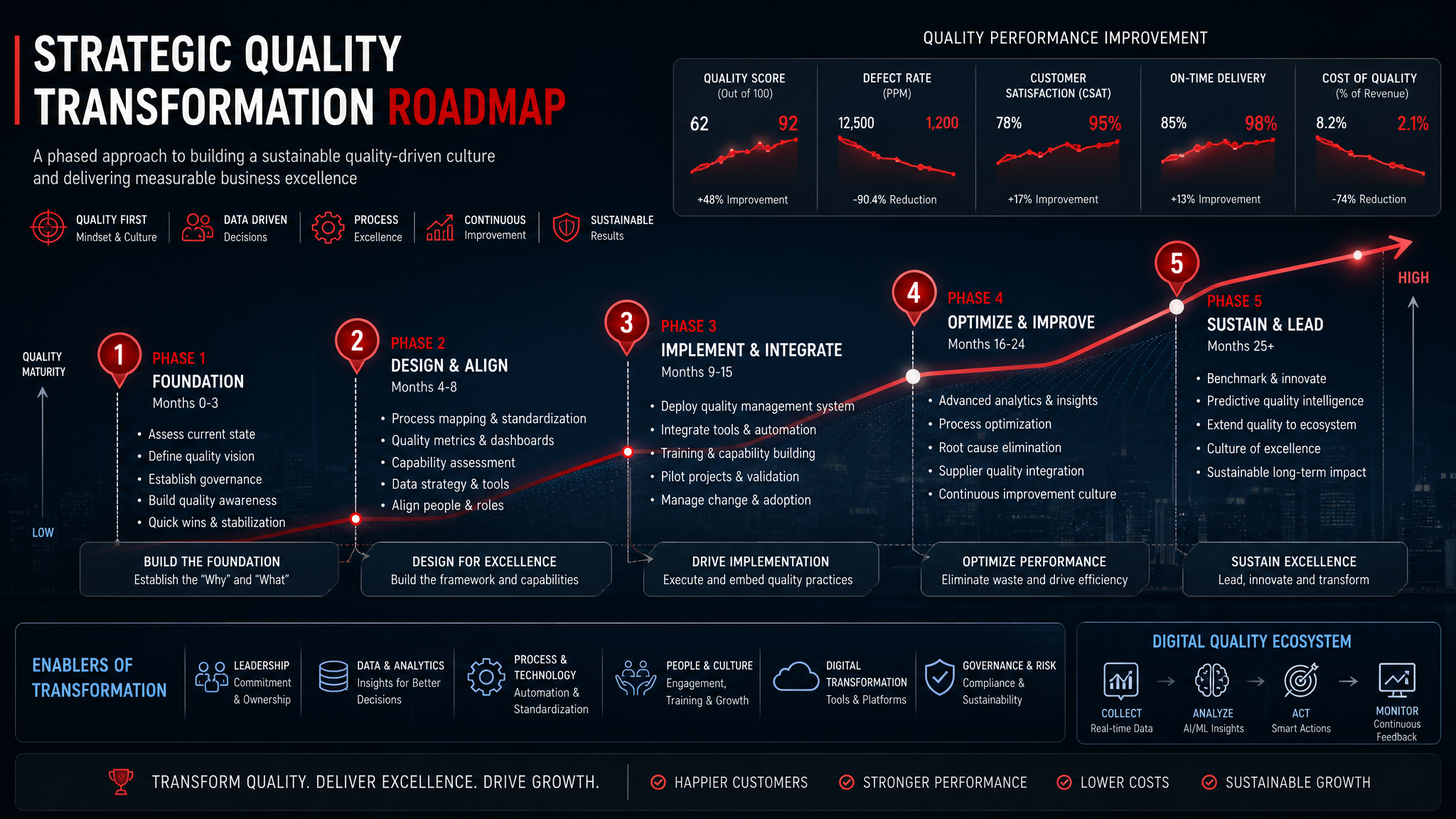
Building Your Quality 4.0 Roadmap: A Step-by-Step Implementation Framework