Incoming Inspection Strategies: Balancing Quality Assurance with Efficiency
Optimize your incoming inspection process with risk-based strategies, sampling plans, and skip-lot programs that protect quality while reducing unnecessary inspection costs.
John Lee
Illustrative image generated using AI; any people depicted are not real individuals.
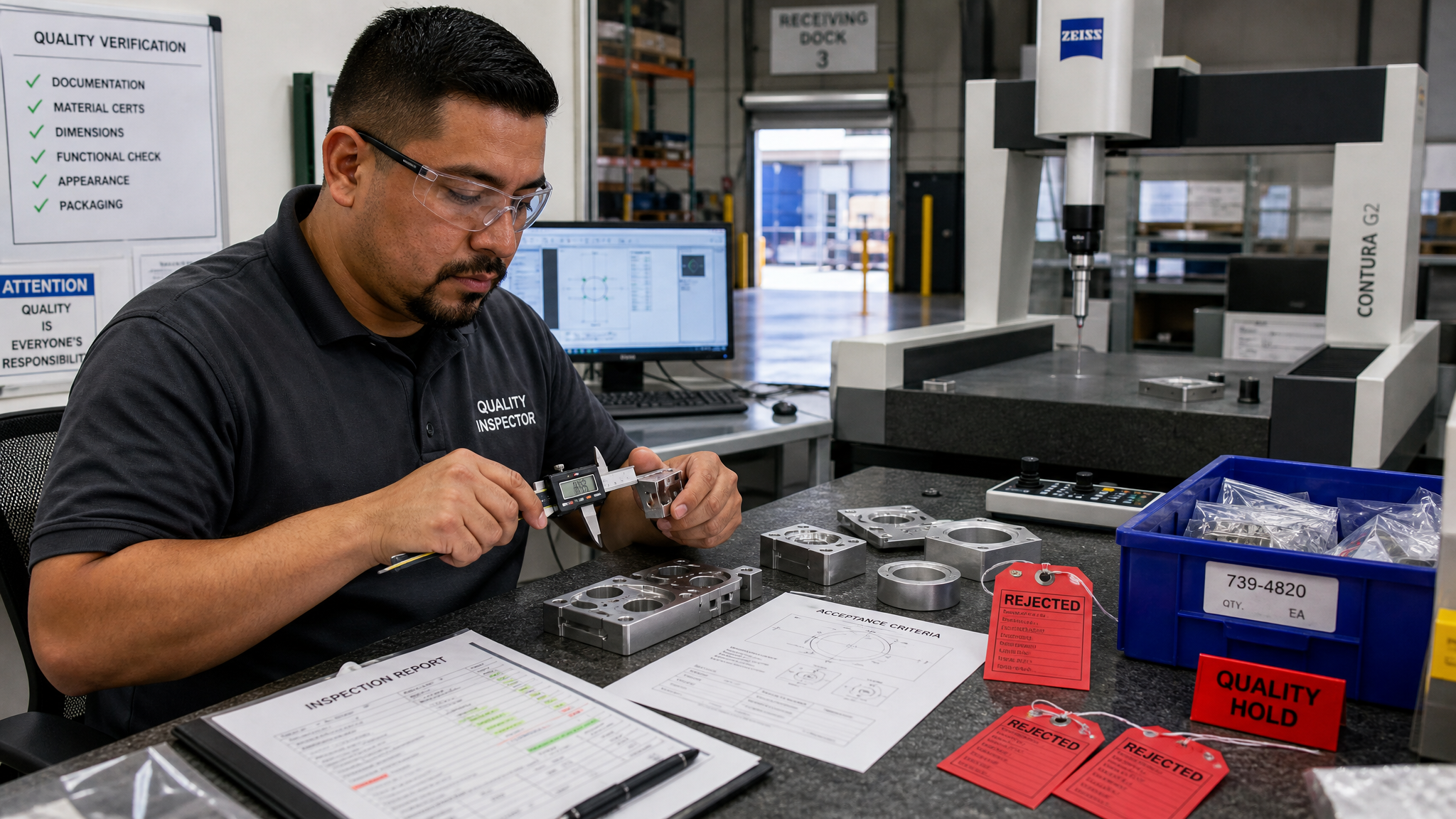
Incoming inspection is the first line of defense against supplier quality issues entering your production process. But inspection costs money and time — the challenge is finding the right balance between quality assurance and operational efficiency. A risk-based approach helps you focus inspection resources where they matter most.
The Risk-Based Inspection Framework
Not all incoming materials deserve the same level of inspection attention. A risk-based framework considers the criticality of the component (how does it affect the final product?), the supplier's quality track record (PPM history, scorecard rating), the complexity of the manufacturing process (risk of variation), and the consequence of a defect reaching production or the customer.
Using these factors, classify incoming materials into risk tiers. High-risk items get the most rigorous inspection; low-risk items from proven suppliers may qualify for reduced or skip-lot programs.
Sampling Plan Design
For most incoming inspection, statistical sampling provides a practical balance between cost and quality protection. ANSI/ASQ Z1.4 (formerly MIL-STD-105) provides standard sampling plans based on lot size and acceptable quality level (AQL).
Key decisions include choosing normal, tightened, or reduced inspection levels, setting appropriate AQL levels for different defect types, determining single vs. double sampling plans, and establishing switching rules between inspection levels.
Skip-Lot Programs
Skip-lot inspection is a powerful tool for reducing inspection costs while maintaining quality. The concept is simple: suppliers who consistently deliver quality are rewarded with less frequent inspection, freeing your resources for higher-risk suppliers.
A typical skip-lot program has qualification criteria (minimum number of consecutive accepted lots), skip frequencies (inspect every nth lot), disqualification triggers (any rejected lot returns to normal inspection), and re-qualification requirements (demonstrate consistency again before returning to skip-lot).
First Article Inspection
First Article Inspection (FAI) is a critical incoming inspection activity for new parts, new suppliers, or significant process changes. FAI involves a comprehensive dimensional and functional verification of initial production samples against all drawing specifications. It verifies that the supplier's process can produce conforming product before full production begins.
Inspection Documentation and Data Analysis
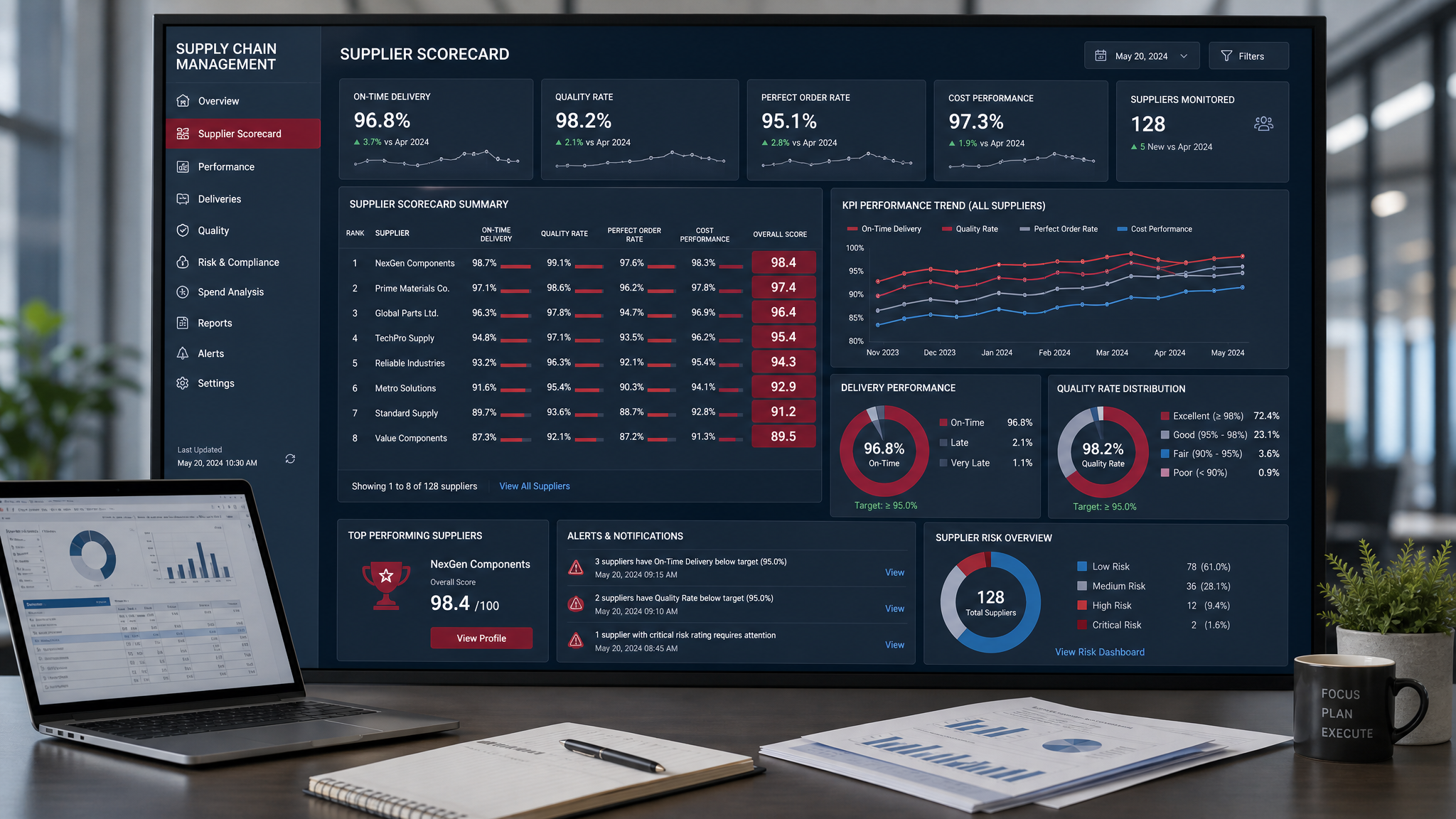
Good incoming inspection isn't just about accepting or rejecting lots — it's about generating data that drives improvement. Track defect types and frequencies by supplier, monitor trends in supplier quality performance, feed inspection data into your supplier scorecard system, and use data to justify adjustments to inspection levels.
Modern quality management systems can automate much of this data collection and analysis, providing real-time visibility into supplier quality trends and enabling data-driven decisions about inspection strategies.
Frequently Asked Questions
What is AQL and how do I choose the right level?
When should I use 100% inspection vs. sampling?
What is a skip-lot inspection program?
About the Author
John Lee
Founder & Quality Systems Architect
John Lee brings over 20 years of hands-on experience in quality management across automotive, aerospace, and medical device manufacturing. As the founder of IntelligentQMS, he has helped organizations worldwide implement robust quality management systems that drive operational excellence.