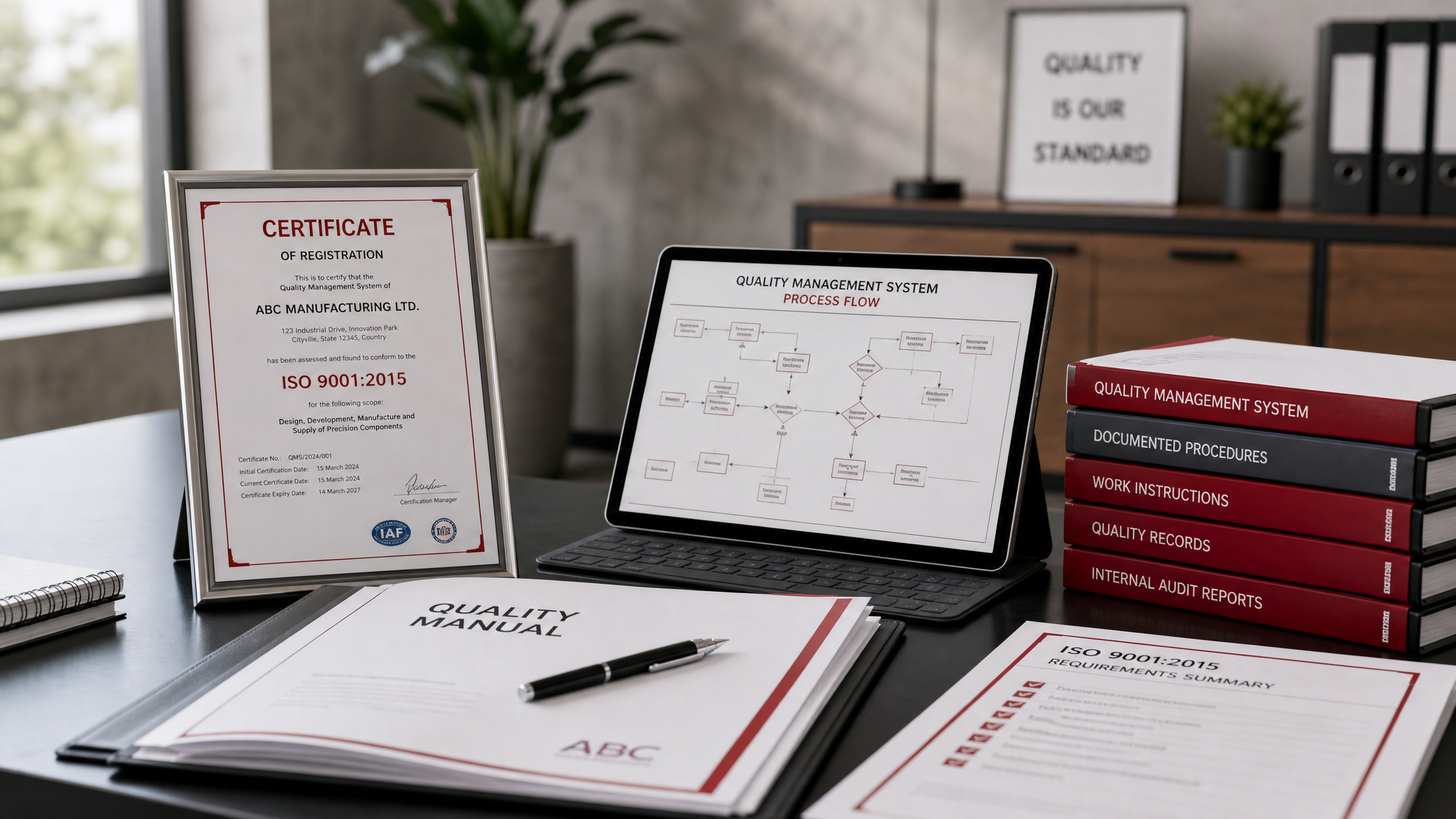
Preparing for Your Certification Audit: A 90-Day Action Plan
Follow this proven 90-day action plan to prepare your organization for a successful ISO certification audit — from documentation review to mock audits and team preparation.
John Lee
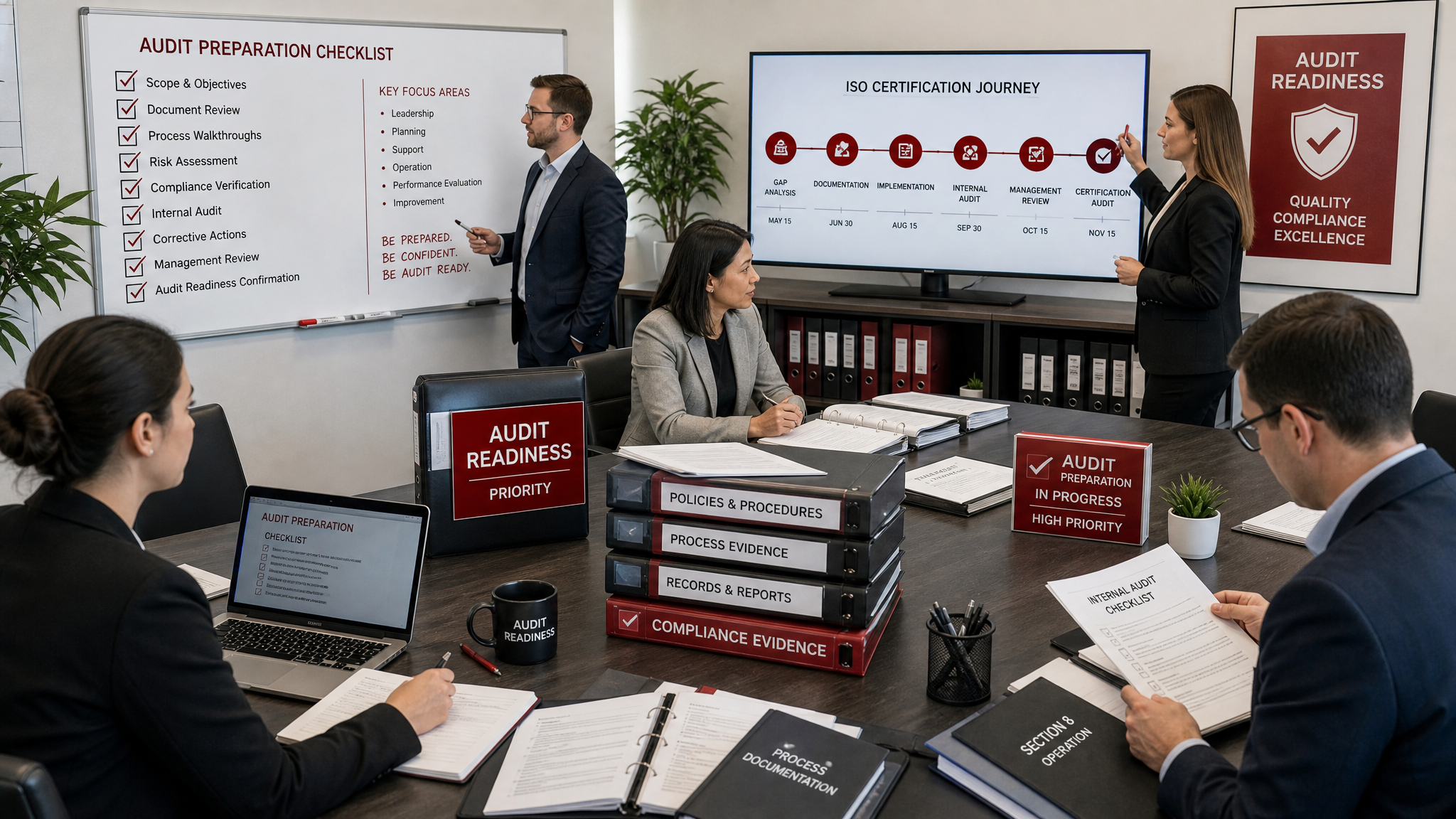
Illustrative image generated using AI; any people depicted are not real individuals.
Your certification audit is 90 days away. Whether it's your initial certification or a recertification audit, proper preparation can mean the difference between a smooth, successful audit and a stressful experience with findings that delay your certification. This action plan provides a structured approach to getting audit-ready.
Days 1–30: Assessment and Gap Closure
Week 1–2: Self-Assessment
Conduct a thorough self-assessment against every clause of the applicable standard. Review your quality manual, procedures, and work instructions for currency and accuracy. Verify that your document control system is functioning — are all documents at the current revision? Are obsolete documents removed from points of use?
Week 3–4: Gap Closure
Address any gaps identified during self-assessment. Update procedures that don't reflect current practices. Ensure all required records are current and accessible. Verify that your management review includes all required inputs (audit results, customer feedback, process performance, status of corrective actions) and outputs (improvement decisions, resource needs, changes to QMS).
Days 31–60: Internal Audit and Mock Audit
Internal Audit (Days 31–45)
Conduct a complete internal audit cycle covering all QMS processes. Use auditors who are independent of the areas they audit. Focus on evidence of implementation effectiveness, not just documentation compliance. Document all findings and ensure corrective actions are initiated.
Mock Audit (Days 46–55)
Conduct a mock certification audit — simulate the actual audit experience as closely as possible. Consider bringing in an external consultant or experienced auditor from another facility. The mock audit should follow the same structure as the certification audit, covering the same scope and using the same audit criteria. Use the results to fine-tune your preparation.
Corrective Actions (Days 50–60)
Close out all internal audit and mock audit findings. Verify the effectiveness of corrective actions — don't just close findings on paper. Ensure all actions are documented with evidence of completion and verification.
Days 61–90: Final Preparation
Team Preparation (Days 61–75)
Train your team on audit behavior and expectations. Each person should understand their role and responsibilities within the QMS, be able to locate and explain relevant procedures, demonstrate competence in their assigned tasks, and know what records they're responsible for maintaining.
Conduct brief refresher sessions for key process owners. Practice answering audit questions with factual, concise responses. Remind everyone: show what you do, not what you think the auditor wants to see.
Logistics and Final Review (Days 76–90)
Prepare the audit logistics: confirm the audit schedule with your certification body, arrange a comfortable audit room with necessary equipment, prepare opening and closing meeting presentations, compile an audit evidence package (quality manual, procedures, records), and ensure key personnel are available during the audit. Conduct a final walkthrough of all areas in scope, checking housekeeping, visual management, and record accessibility.
During the Audit
Designate a guide for each auditor to facilitate movement and access to evidence. Take detailed notes during the audit — document what was reviewed, what evidence was presented, and any concerns raised. Maintain open, honest communication with the auditor. If you don't know an answer, say so and offer to find the information rather than guessing.
Frequently Asked Questions
What are the most common reasons for certification audit failures?
What is the difference between a major and minor nonconformity?
How should we handle findings during the certification audit?
About the Author
John Lee
Founder & Quality Systems Architect
John Lee brings over 20 years of hands-on experience in quality management across automotive, aerospace, and medical device manufacturing. As the founder of IntelligentQMS, he has helped organizations worldwide implement robust quality management systems that drive operational excellence.