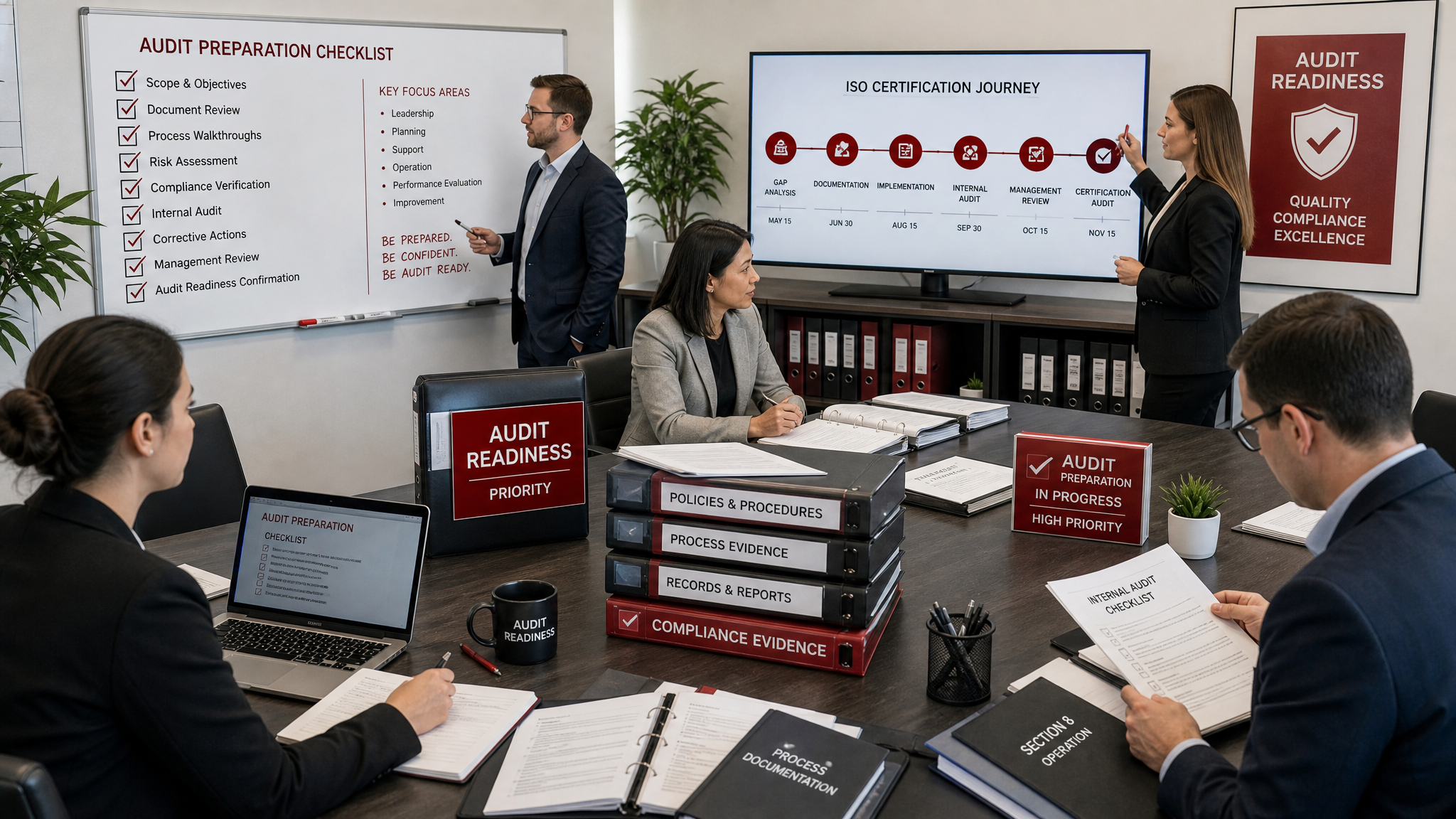
Building an Internal Audit Program That Drives Real Improvement
Transform your internal audit program from a compliance checkbox into a powerful improvement engine — with practical guidance on planning, execution, and follow-up.
John Lee
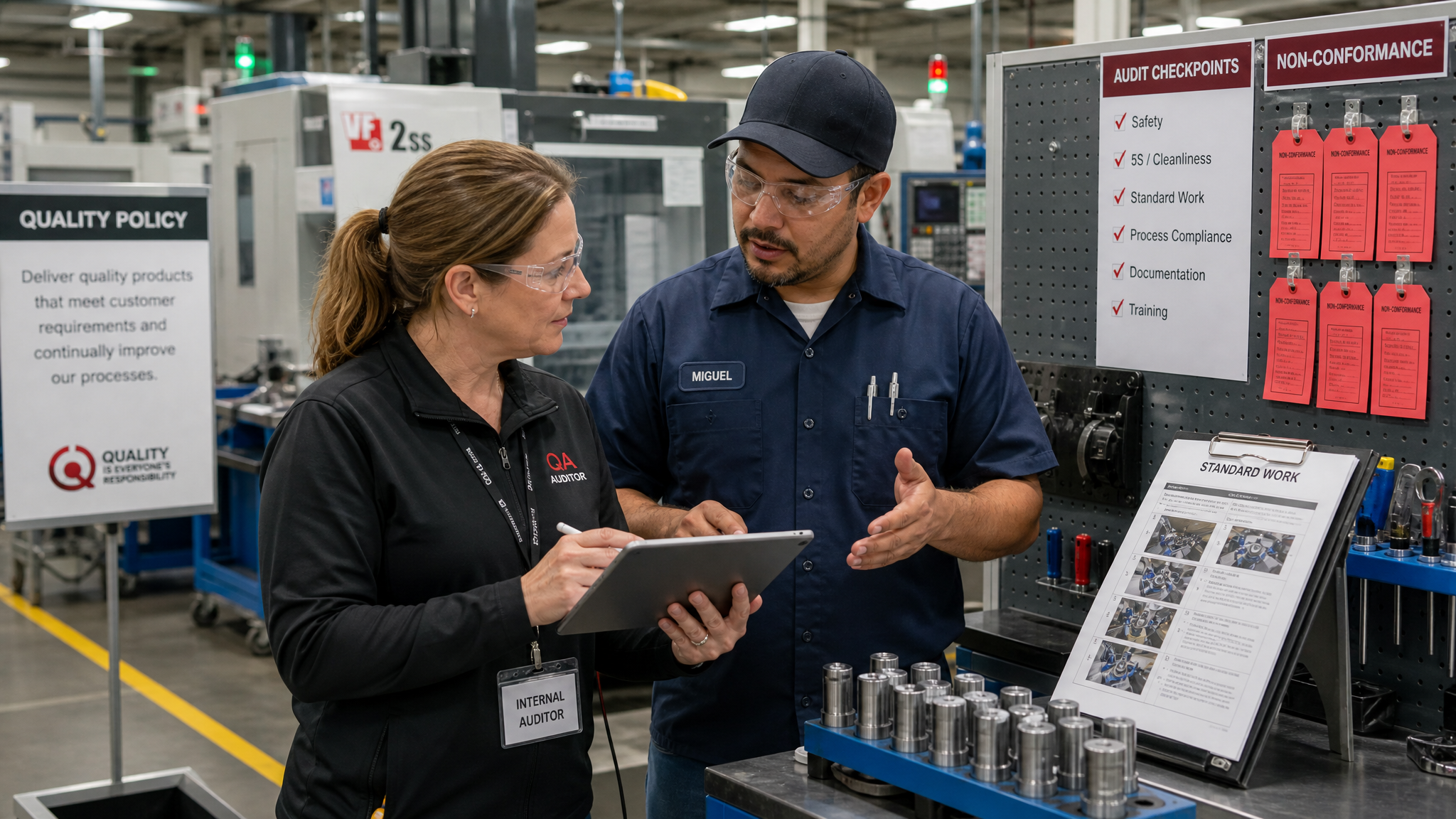
Illustrative image generated using AI; any people depicted are not real individuals.
Internal audits are one of the most valuable tools in your quality management toolbox — when done right. Unfortunately, many organizations treat internal audits as a compliance exercise: check the boxes, write some findings, close them out, and move on. The result is an audit program that consumes resources but delivers minimal improvement value.
From Compliance to Improvement
The shift from compliance auditing to improvement auditing starts with mindset. Compliance audits ask "Are you following the procedure?" Improvement audits ask "Is the process effective? Is it achieving its objectives? Are there better ways to achieve the desired results?"
Both questions matter, but organizations that focus only on compliance miss the real value of internal audits. When internal audits identify improvement opportunities — not just nonconformities — they become a positive force for organizational growth.
Planning Your Audit Program
An effective audit program starts with a risk-based audit schedule. Consider the importance and complexity of each process, recent quality performance and trends, results of previous audits, changes in processes, personnel, or technology, and customer feedback and complaint trends.
Allocate more audit time to higher-risk areas. It's better to audit a critical process thoroughly than to superficially cover everything on the calendar.
Developing Competent Auditors
Your audit program is only as good as your auditors. Invest in developing a pool of trained internal auditors who understand audit methodology (ISO 19011 provides excellent guidance), have working knowledge of the processes they audit, can communicate effectively and put auditees at ease, and know how to identify both conformity issues and improvement opportunities.
Pair new auditors with experienced ones for their first few audits. Provide ongoing development through audit refresher training and external audit observation opportunities.
Conducting Effective Audits
The audit itself should be a professional, collaborative process. Start with a clear opening meeting that sets expectations and scope. During the audit, use the "show me" approach — ask to see evidence of what people describe. Trace processes from end to end, following the flow of materials, information, and decisions.
Look for evidence of effectiveness, not just existence. A procedure exists, but is it followed? It's followed, but does it produce the desired results? Results are achieved, but are they monitored and improved?
Reporting and Follow-Up
Audit reports should be clear, factual, and actionable. Distinguish between observations (opportunities for improvement) and nonconformities (failures to meet requirements). Provide enough context for the process owner to understand and address the finding.
Follow-up is critical. Track corrective actions to closure with defined timelines. Verify effectiveness — don't just check that actions were completed, confirm that they actually solved the problem. Report audit program results to management review as required by the standard.
Measuring Audit Program Effectiveness
An effective audit program demonstrates its value over time. Track metrics like finding closure rates, improvement in audited process KPIs, reduction in external audit findings, and auditee satisfaction with the audit process. Use these metrics to continually improve the audit program itself — after all, auditors should practice what they preach about continual improvement.
Frequently Asked Questions
How often should internal audits be conducted?
Who should conduct internal audits?
How do you measure the effectiveness of an internal audit program?
About the Author
John Lee
Founder & Quality Systems Architect
John Lee brings over 20 years of hands-on experience in quality management across automotive, aerospace, and medical device manufacturing. As the founder of IntelligentQMS, he has helped organizations worldwide implement robust quality management systems that drive operational excellence.